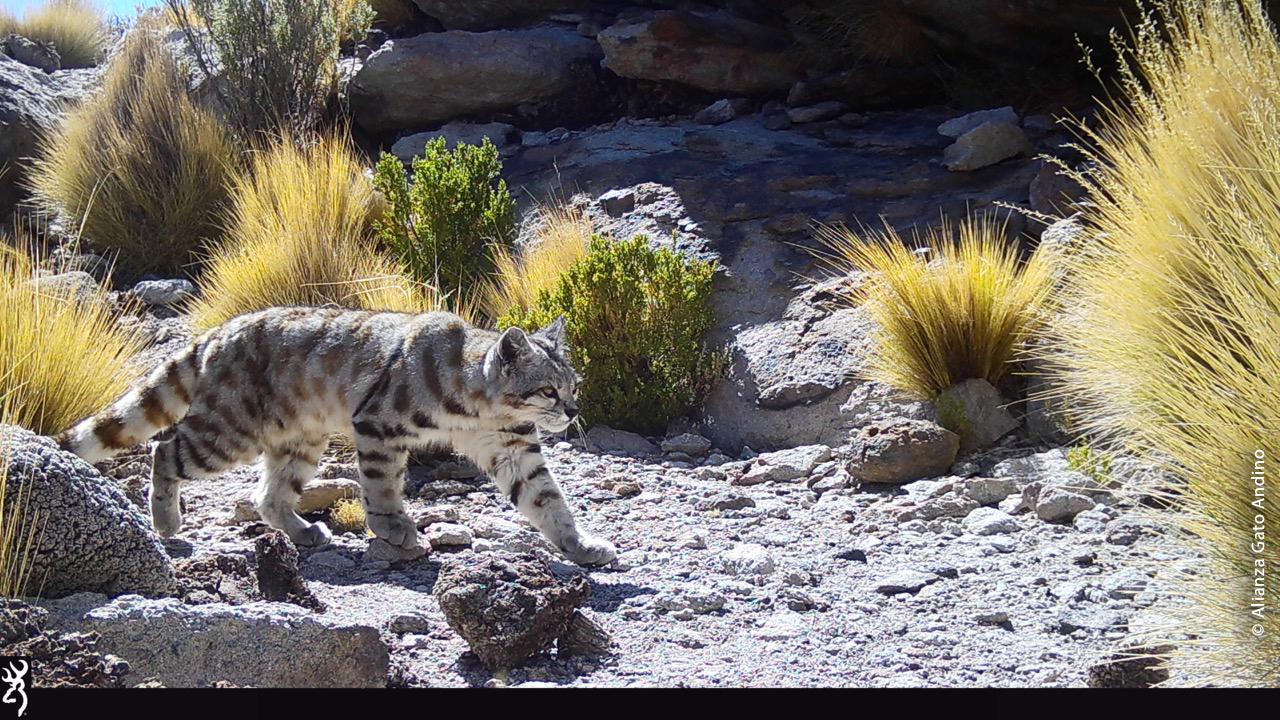
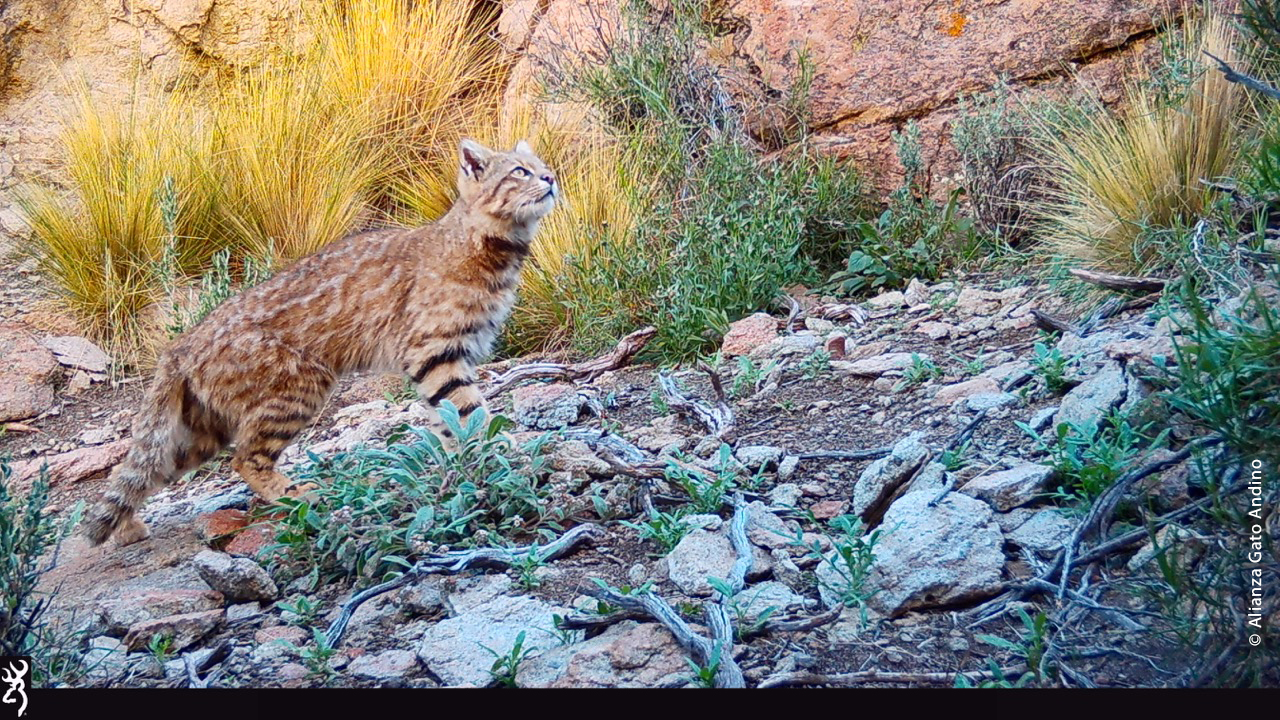
In the Andes, some questions cannot be answered with a single image. For years, camera traps have helped confirm the presence of the Andean cat across different landscapes. But when the question becomes how many individuals live in a place, and how that presence changes over time, the scale of the effort has to change as well.
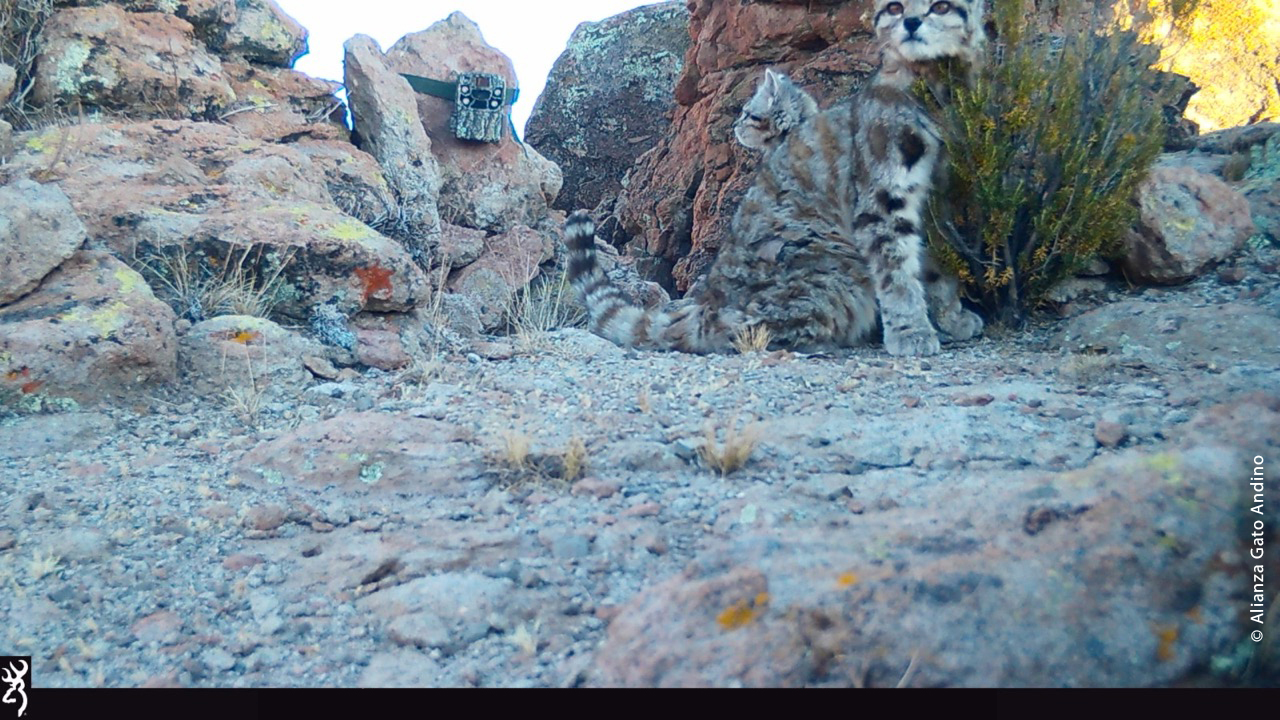
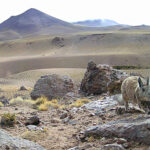
That is what began to take shape in 2025 in Loma Blanca, Argentina, a key landscape for the species. There, AGA launched a population monitoring effort with a statistical design and installed a network of 78 camera traps across 39 stations. At most sites, paired cameras were placed facing one another to increase the chances of capturing both sides of the animal, which is essential for identifying individuals based on their coat patterns. In this way, an image stops being only a confirmation of presence and begins to become the kind of information needed to build a population baseline.
Setting up this network required multiple field campaigns, long hikes, and decisions made along narrow passes and rocky edges where Andean cats are more likely to move through. In this type of monitoring, the goal is not to get the most striking photograph, but to place cameras where they can generate the best possible information.
Loma Blanca may also be a source population for the species, meaning a particularly favorable site that not only supports individual cats, but could also help sustain Andean cat presence across a broader landscape. If that hypothesis is confirmed, understanding what is happening here will become even more important for guiding conservation decisions.
This effort marks the first time anywhere in the world that a long-term population monitoring initiative capable of producing robust estimates has been launched for the Andean cat. More than an important step for AGA, it is a significant step for the conservation of the species and the high-Andean ecosystems it inhabits. Looking ahead, the goal is to replicate this kind of work across the four countries where the Andean cat occurs and begin building population trends that can be compared over time.