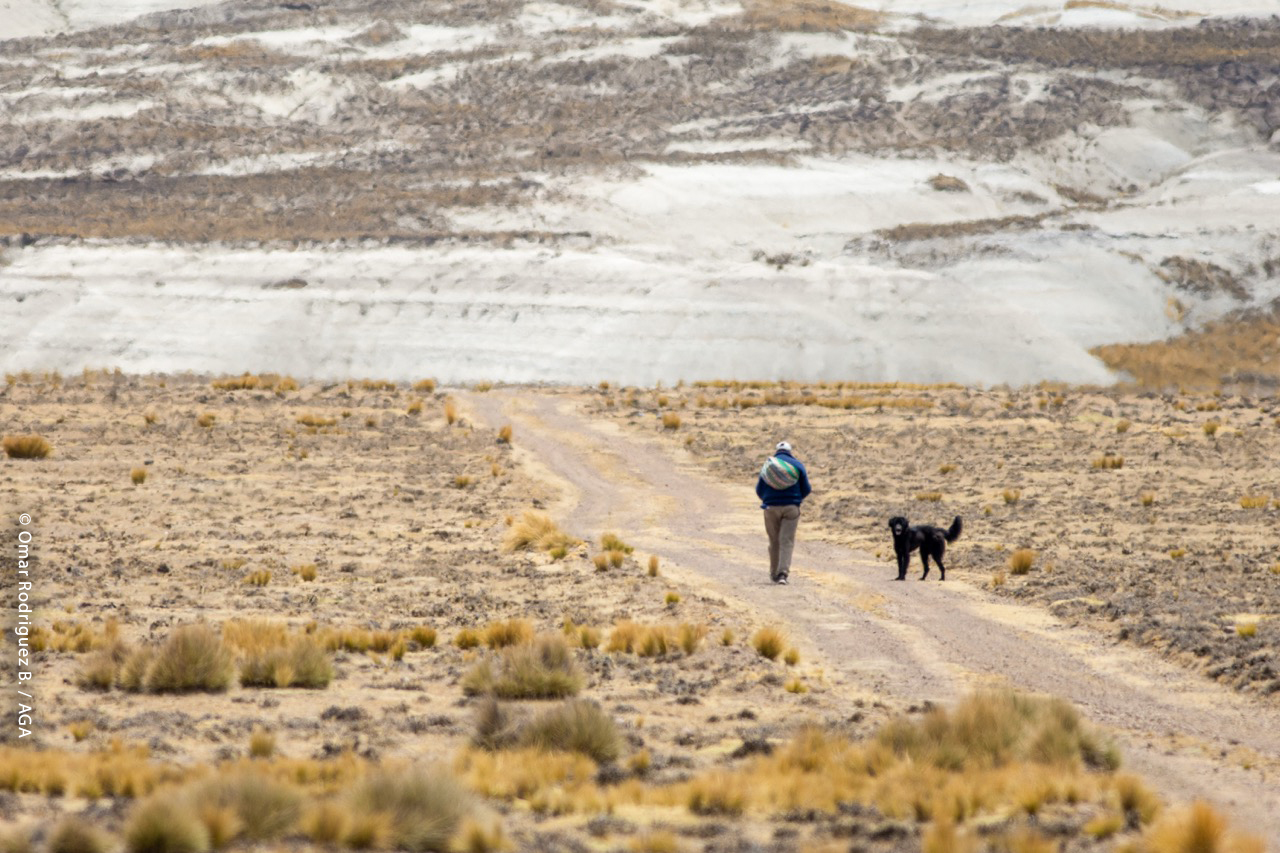
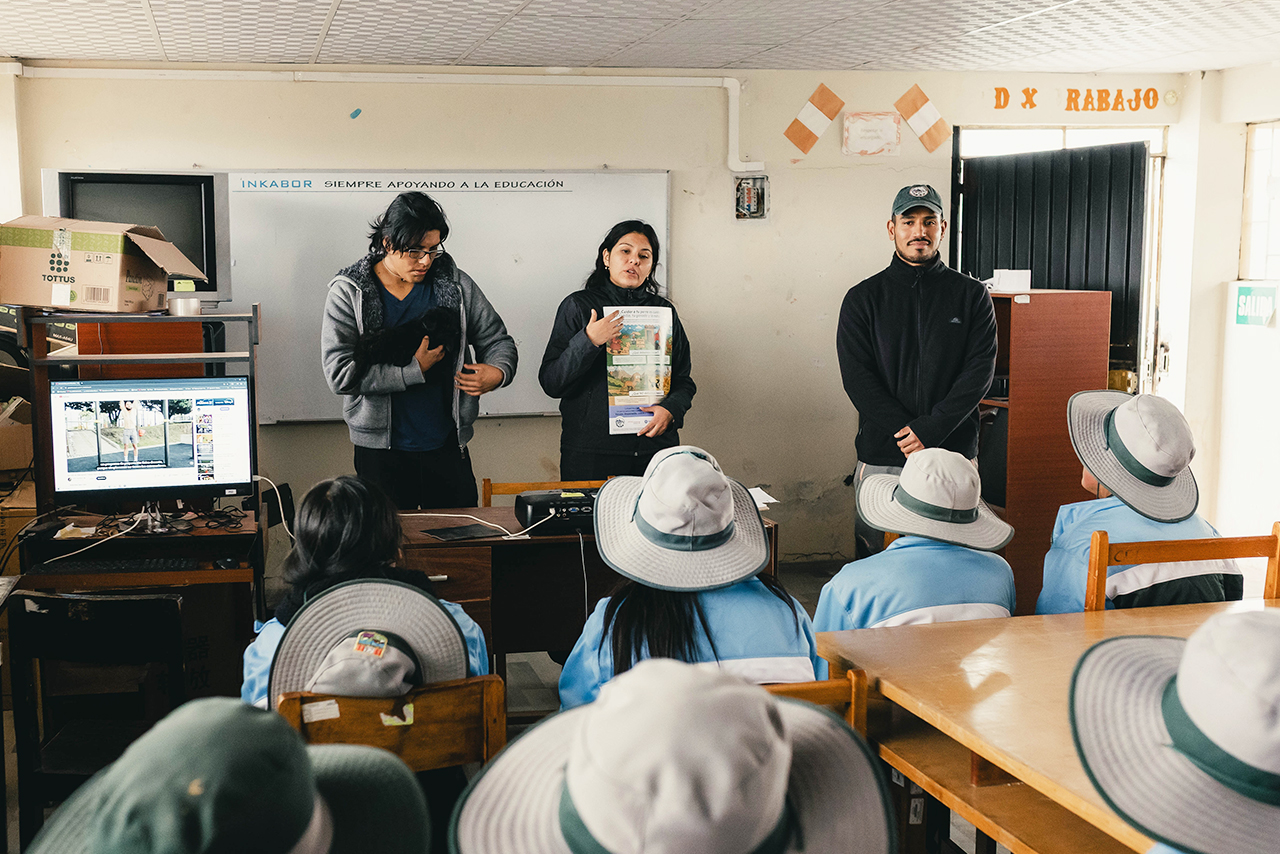
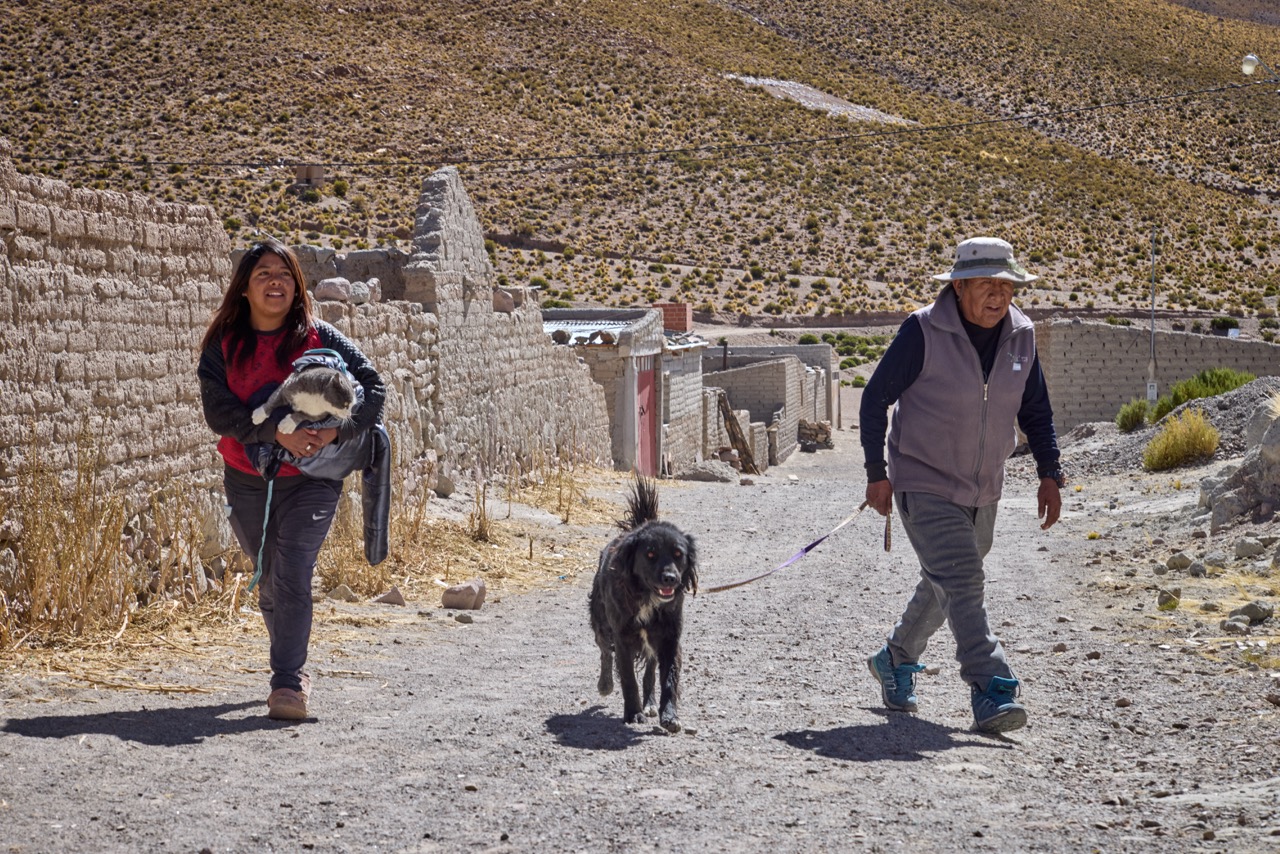
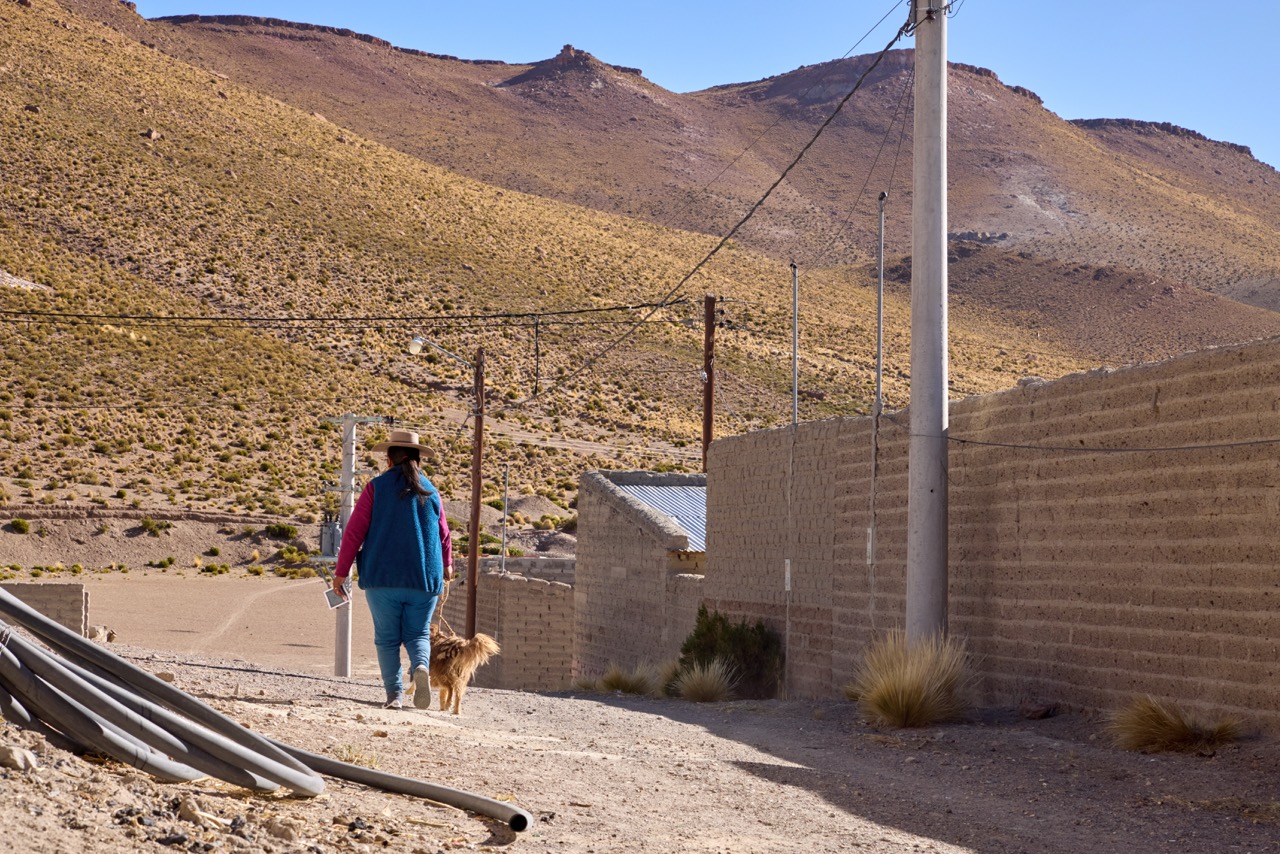
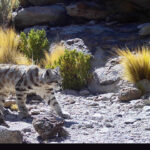
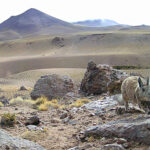
In the Andes, conservation does not always begin with the most threatened species in sight. Sometimes it begins in everyday life, in the health of dogs and cats living close to wildlife, in the protection of livestock, or in the decisions families make when facing losses caused by other carnivores. In shared landscapes, coexistence must be built from multiple fronts.
That is what the Andean Cat Alliance strengthened during 2025 in communities in Argentina and Peru by integrating responsible pet ownership and conflict mitigation in the same landscapes. This strategy was implemented in Lagunillas del Farallón and Loma Blanca in Argentina, and in San Juan de Tarucani in Peru, contributing to the protection of approximately 860 km² in Argentina and 410 km² in Peru of key habitat for Andean cat conservation.
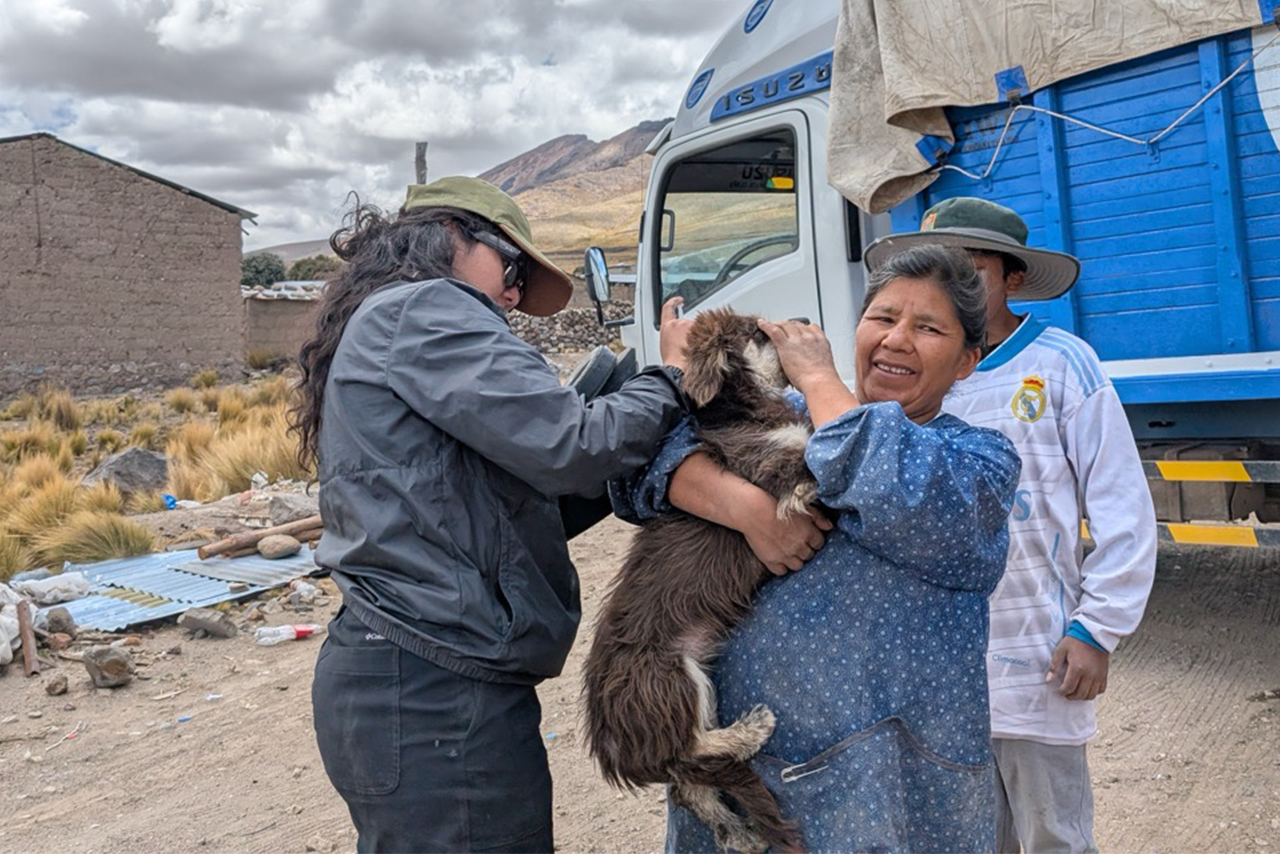
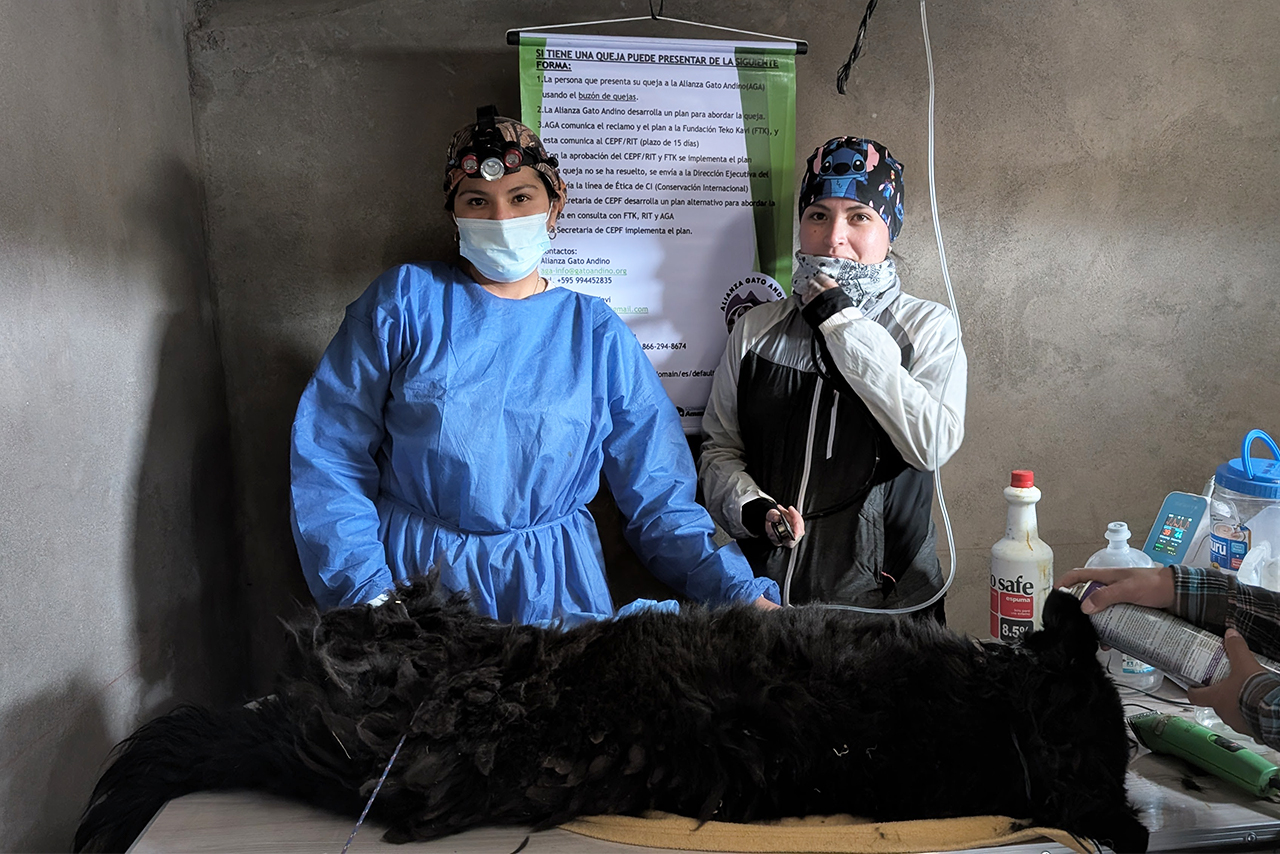
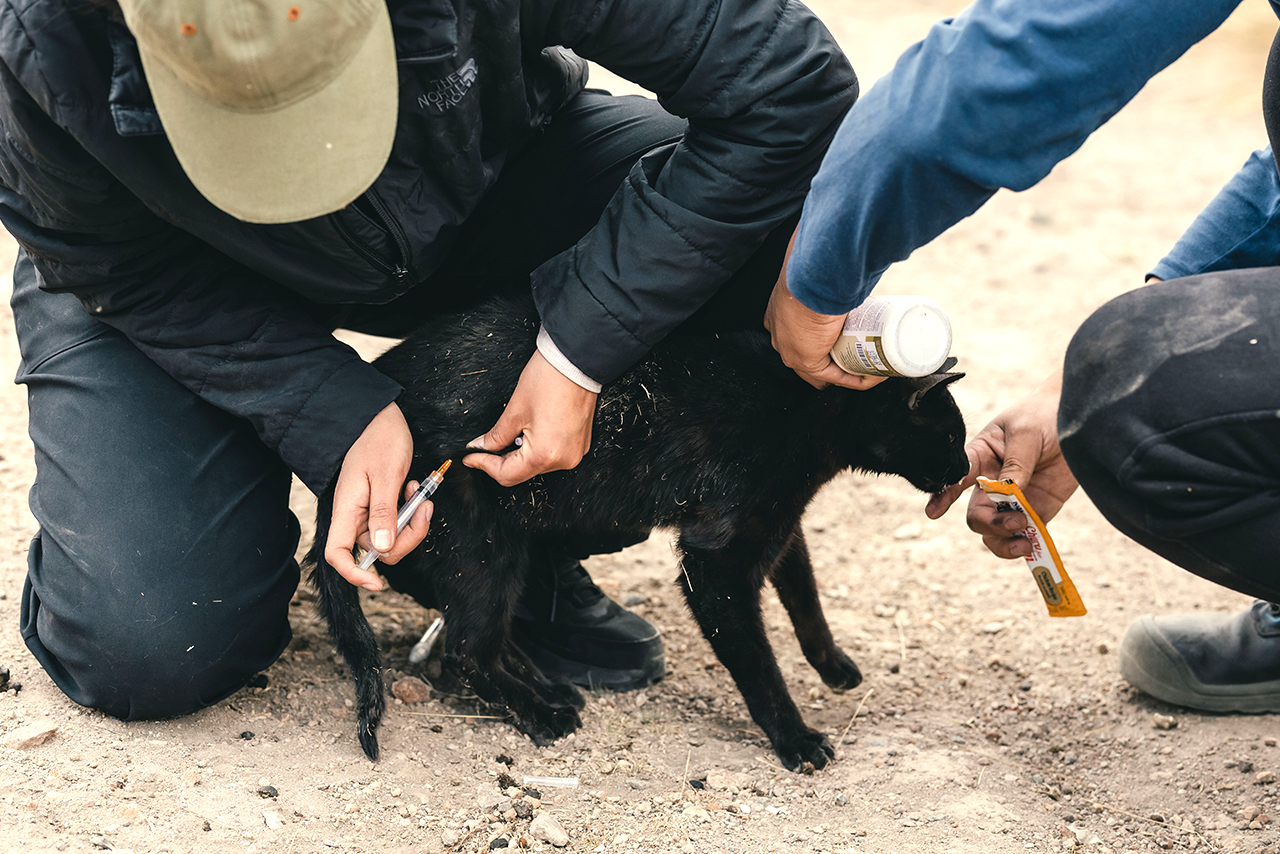
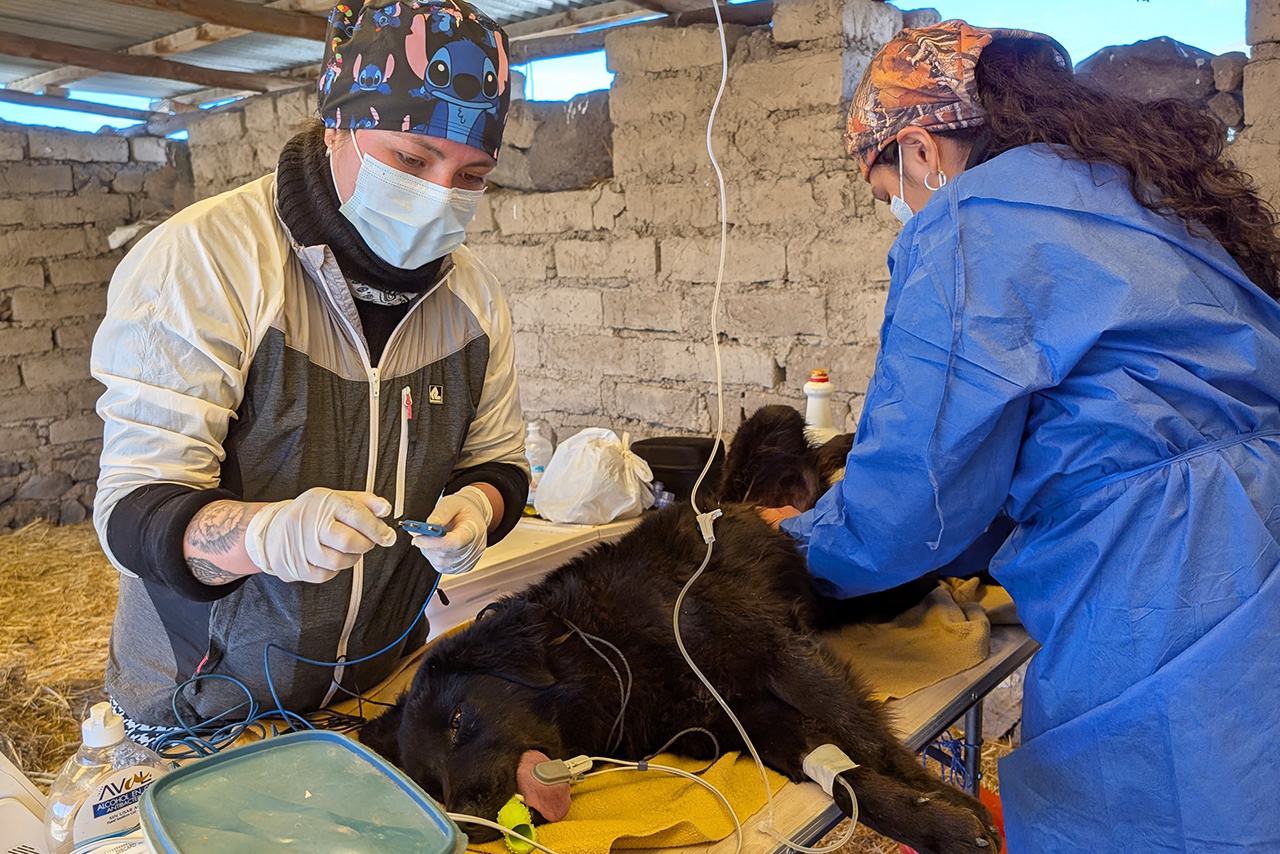
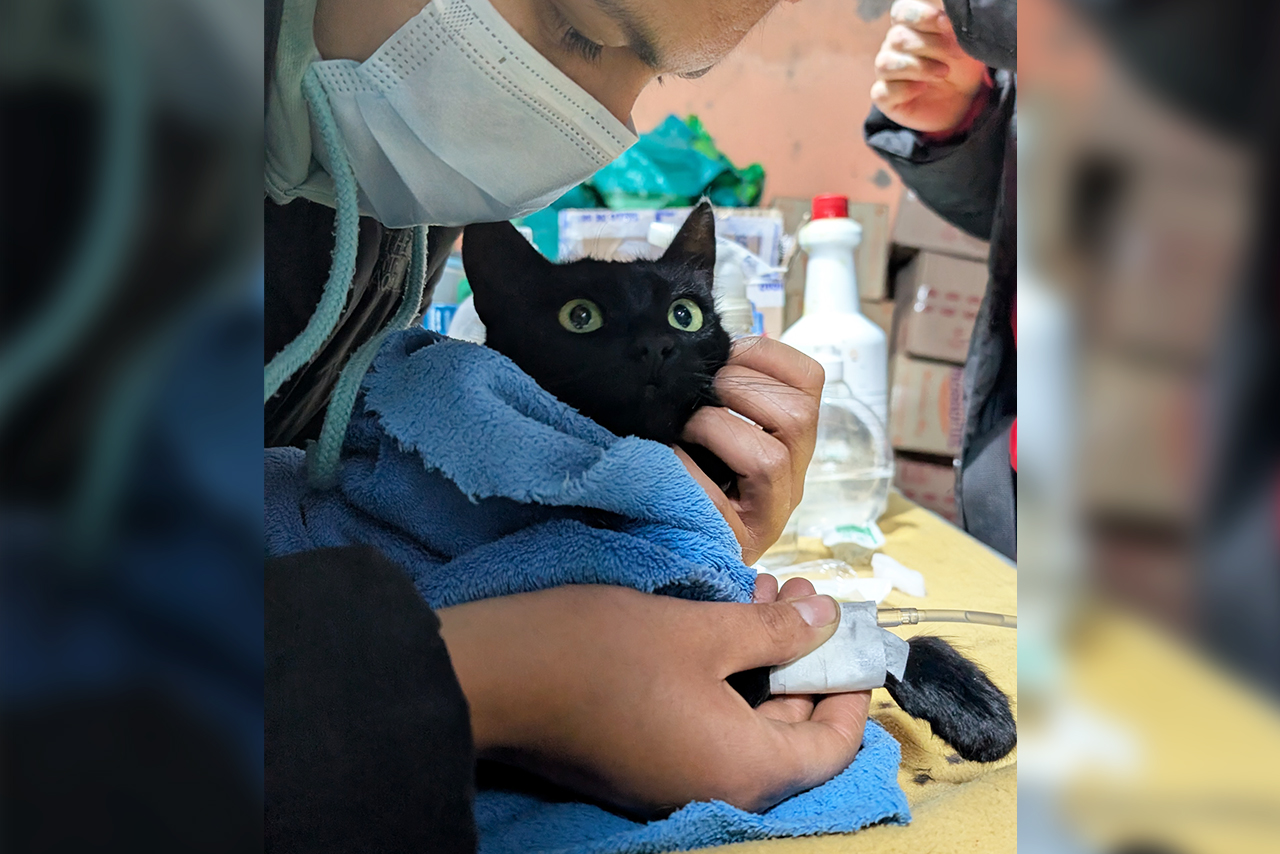
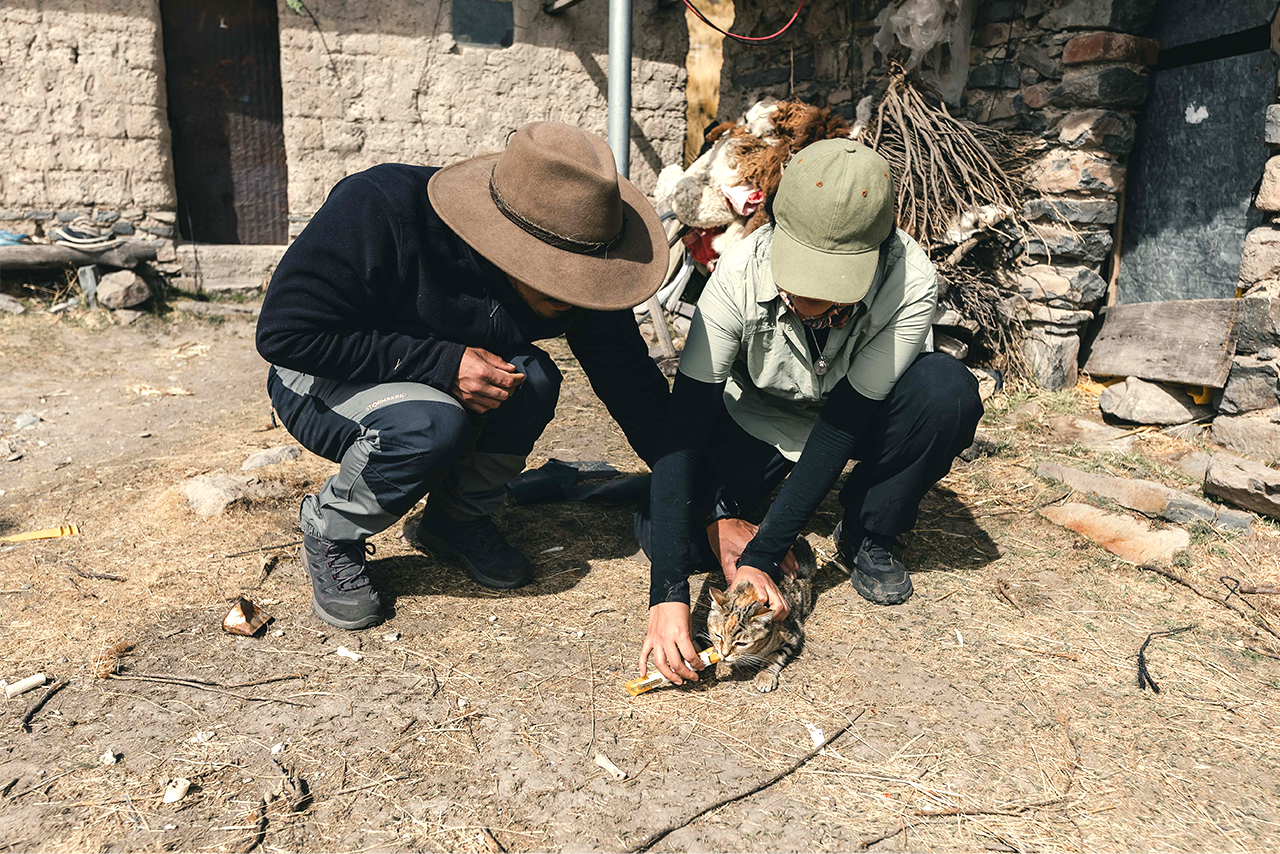
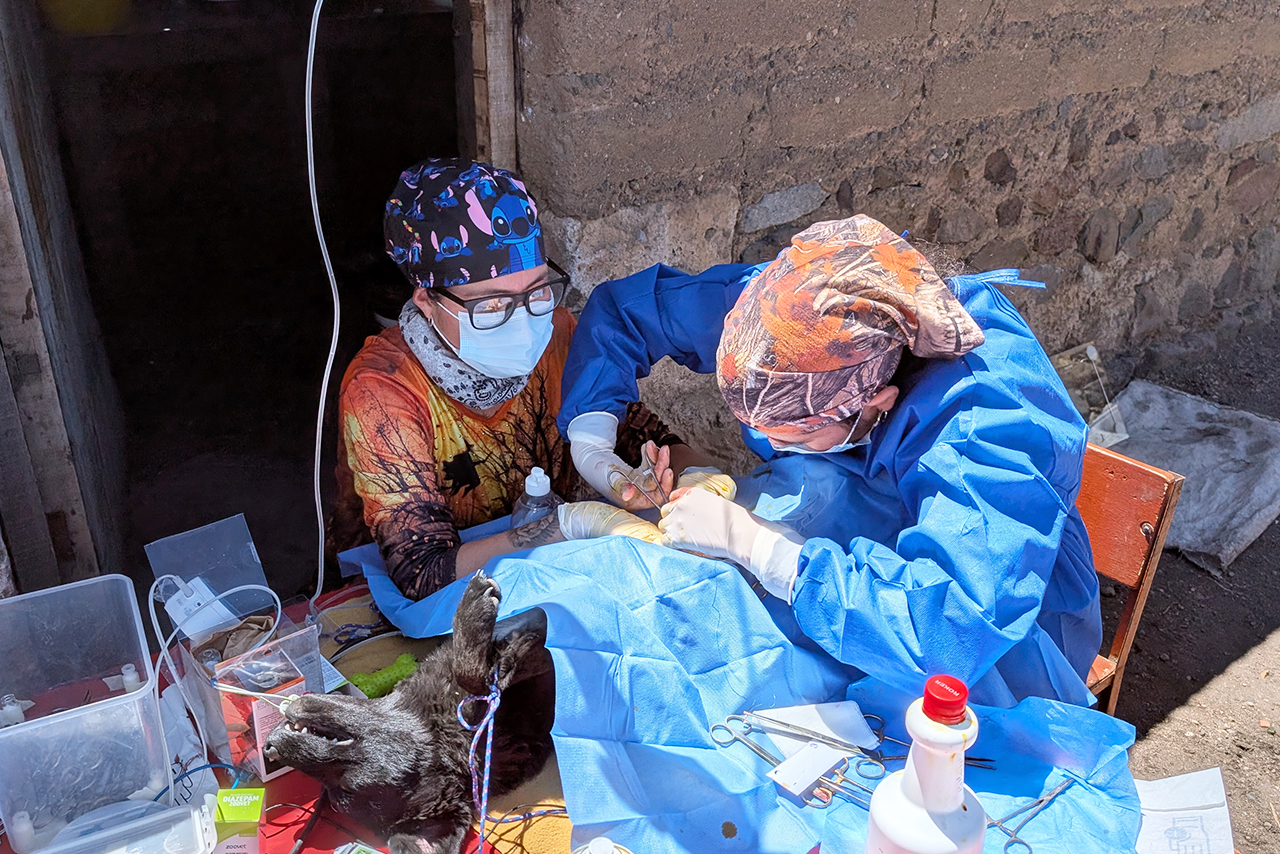
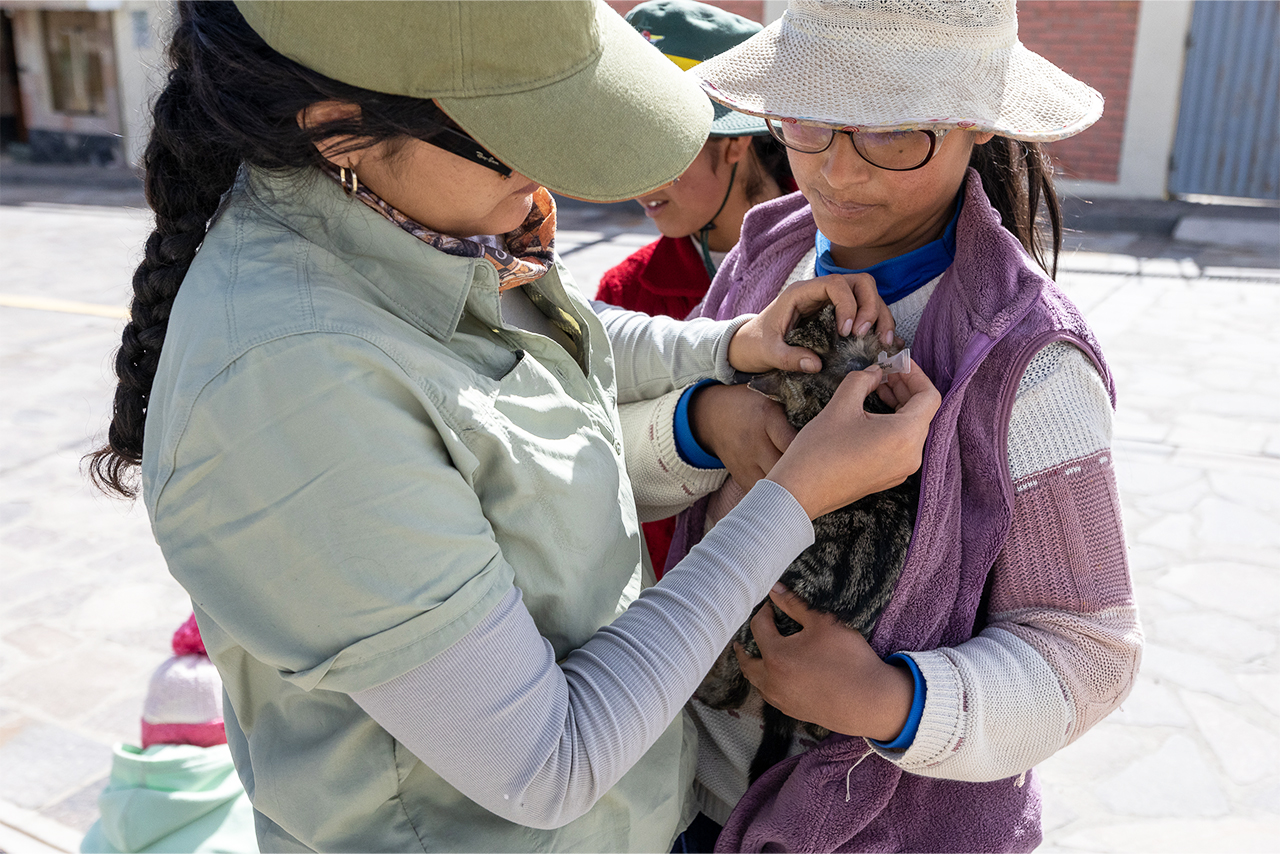
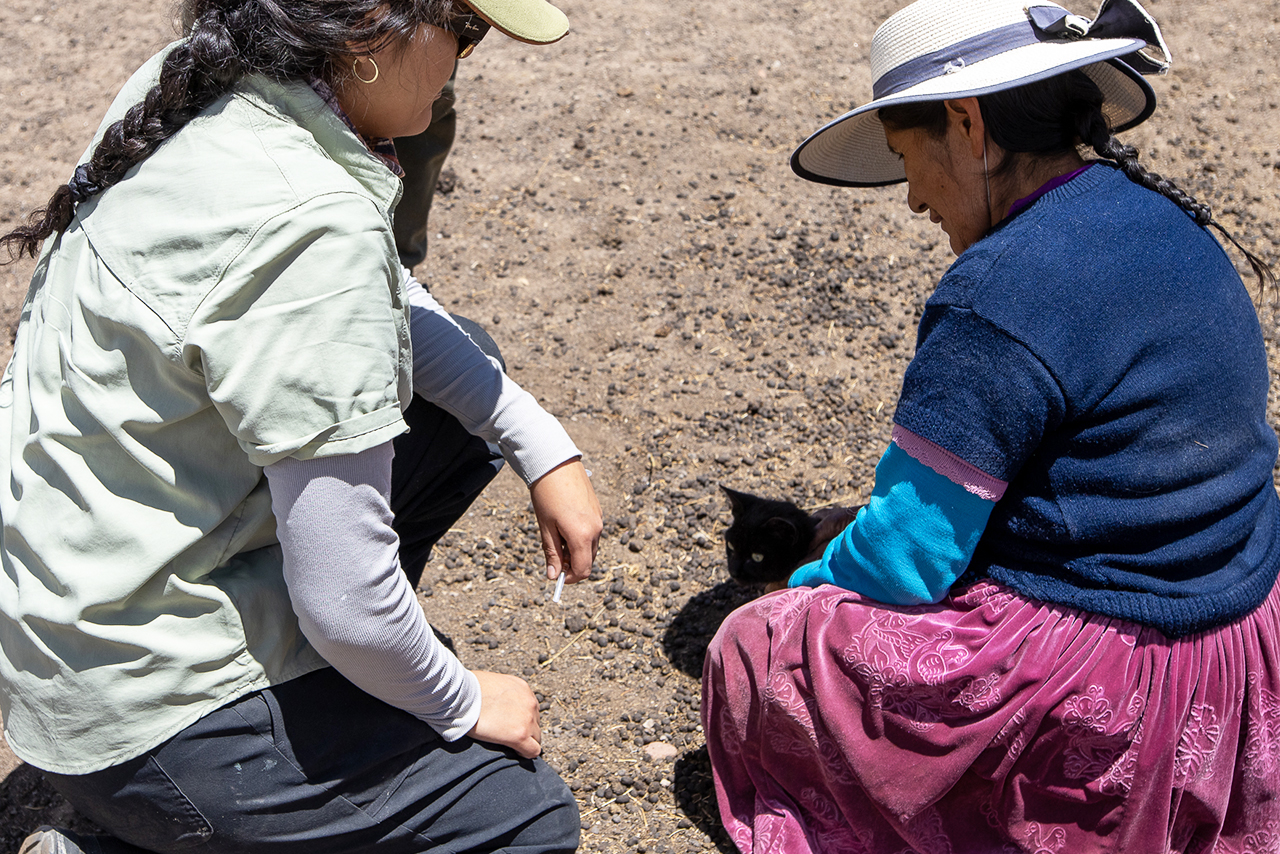
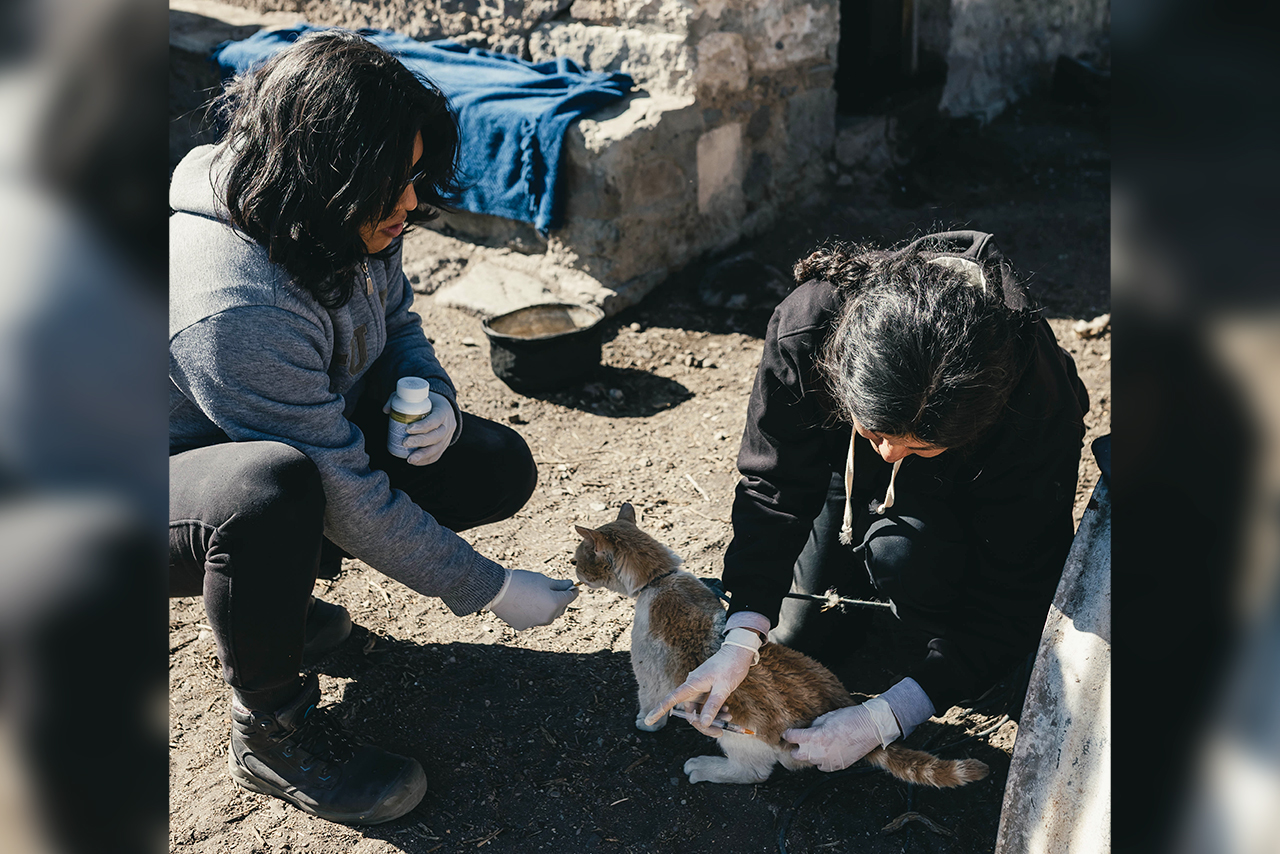
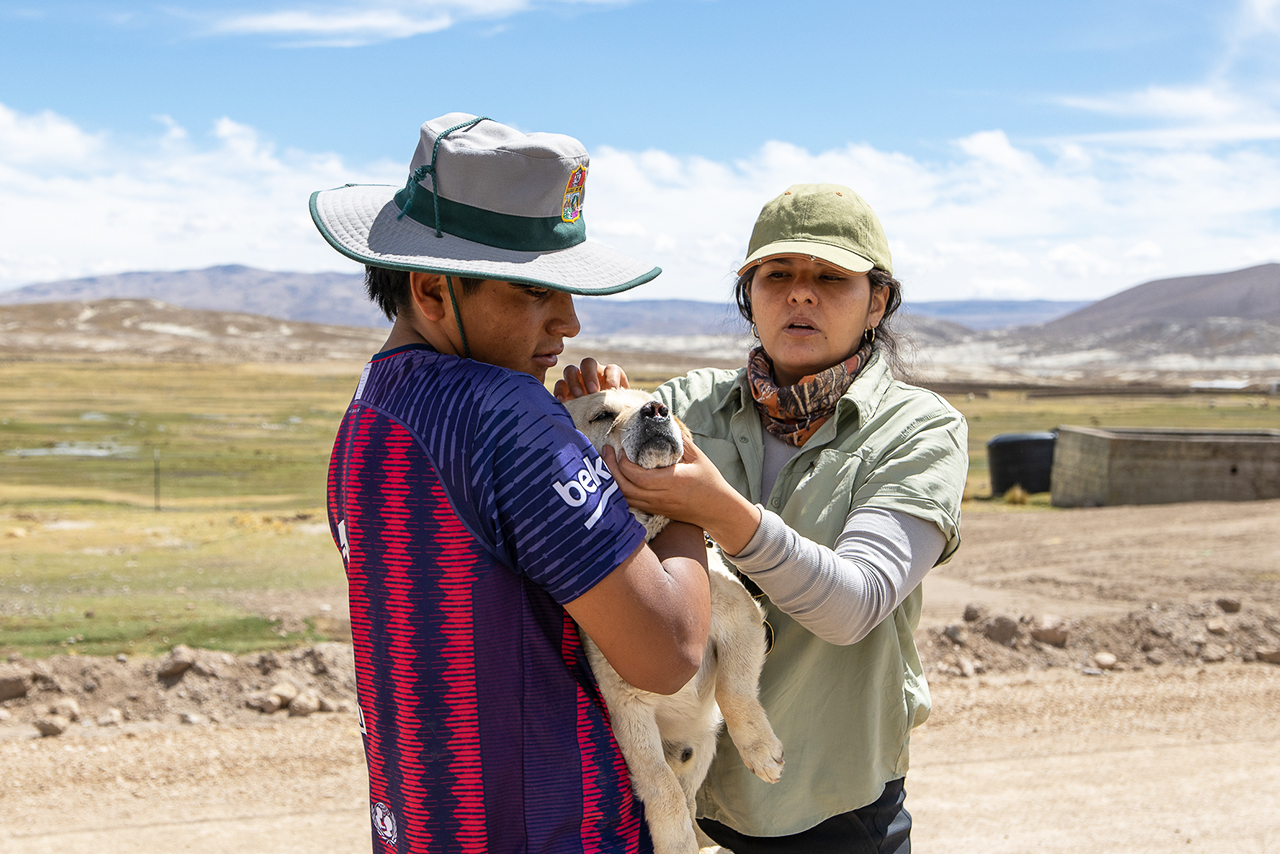
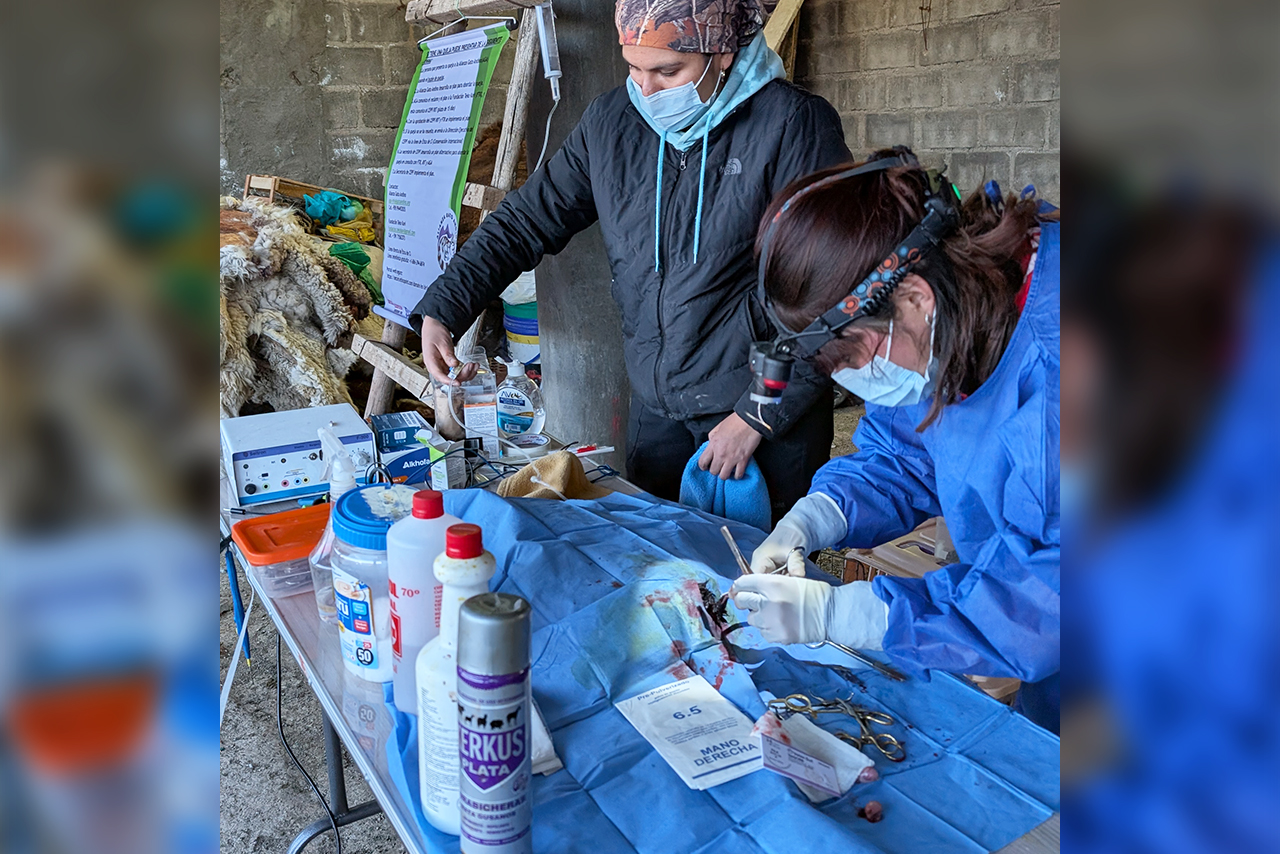
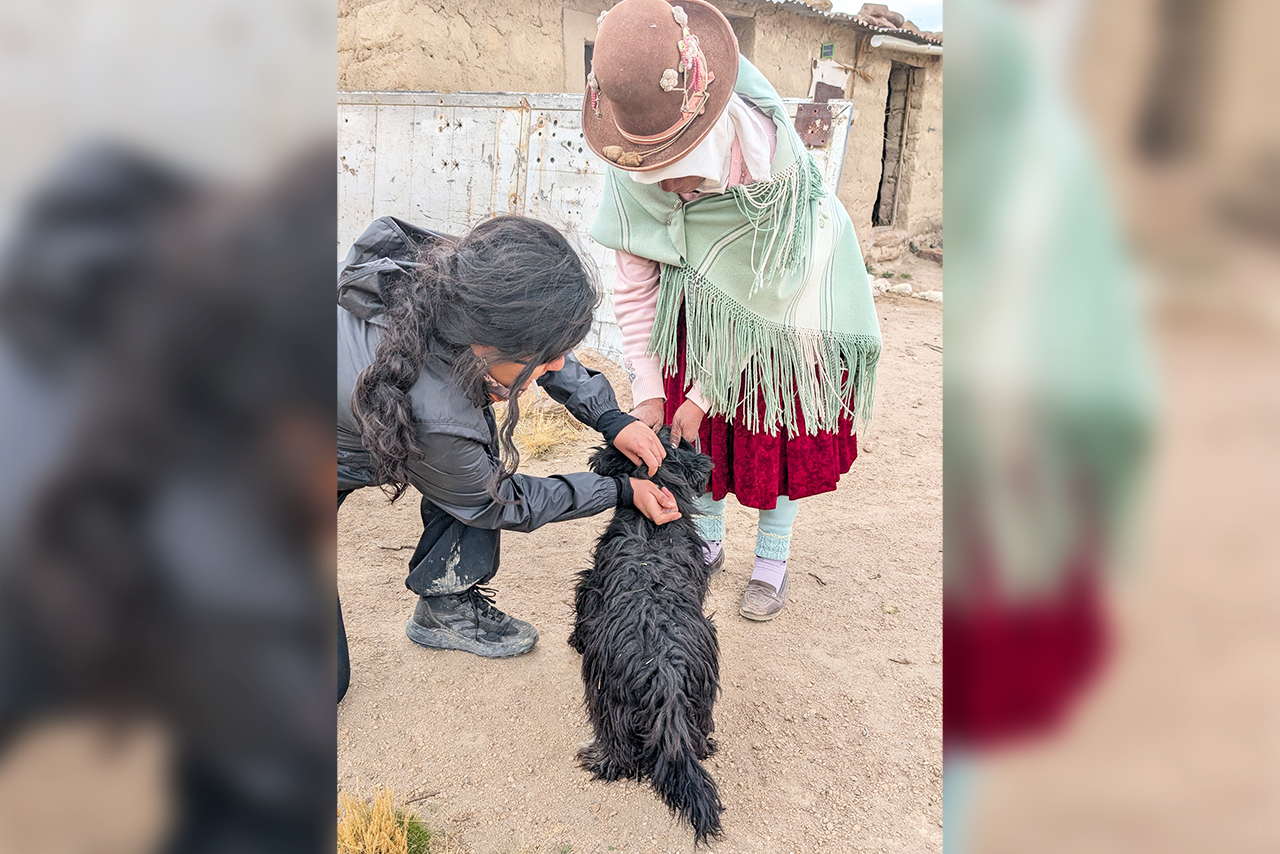
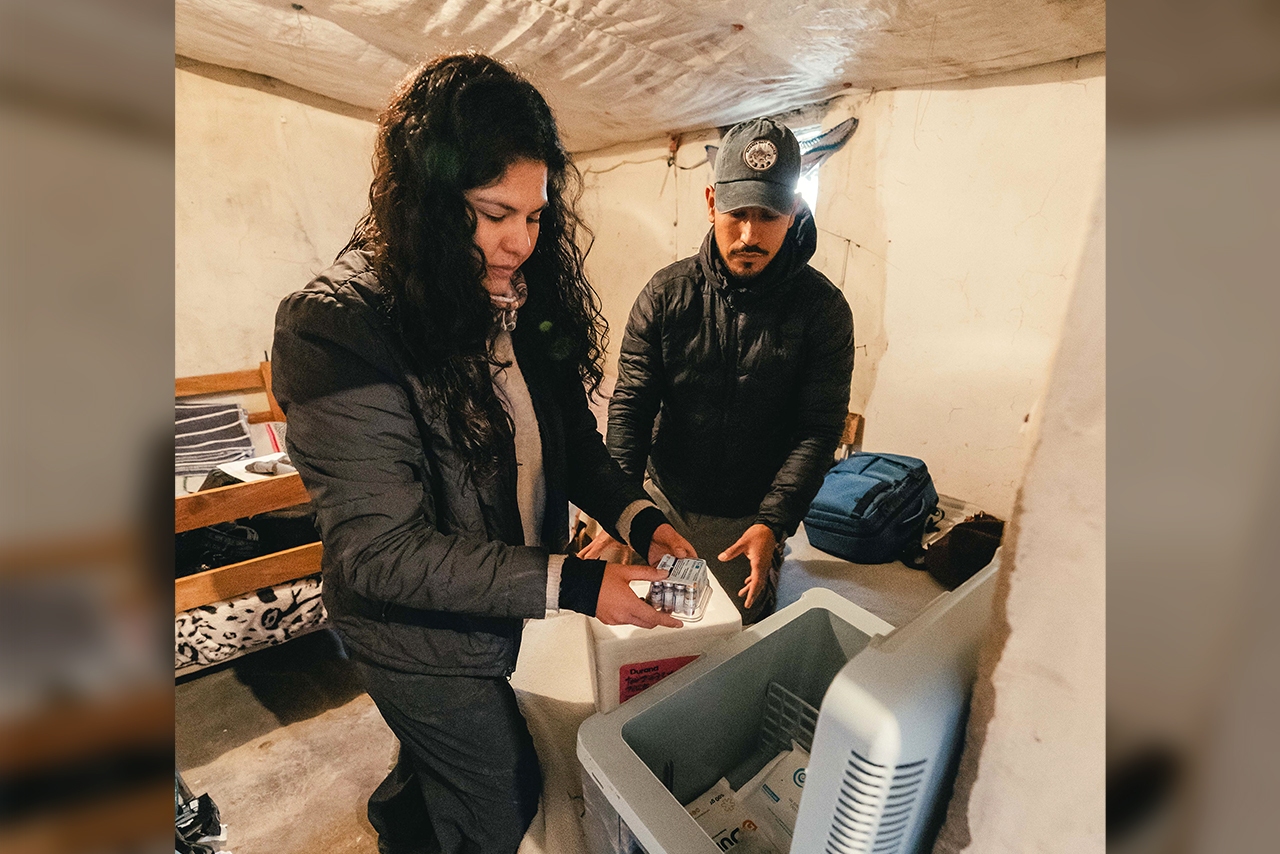
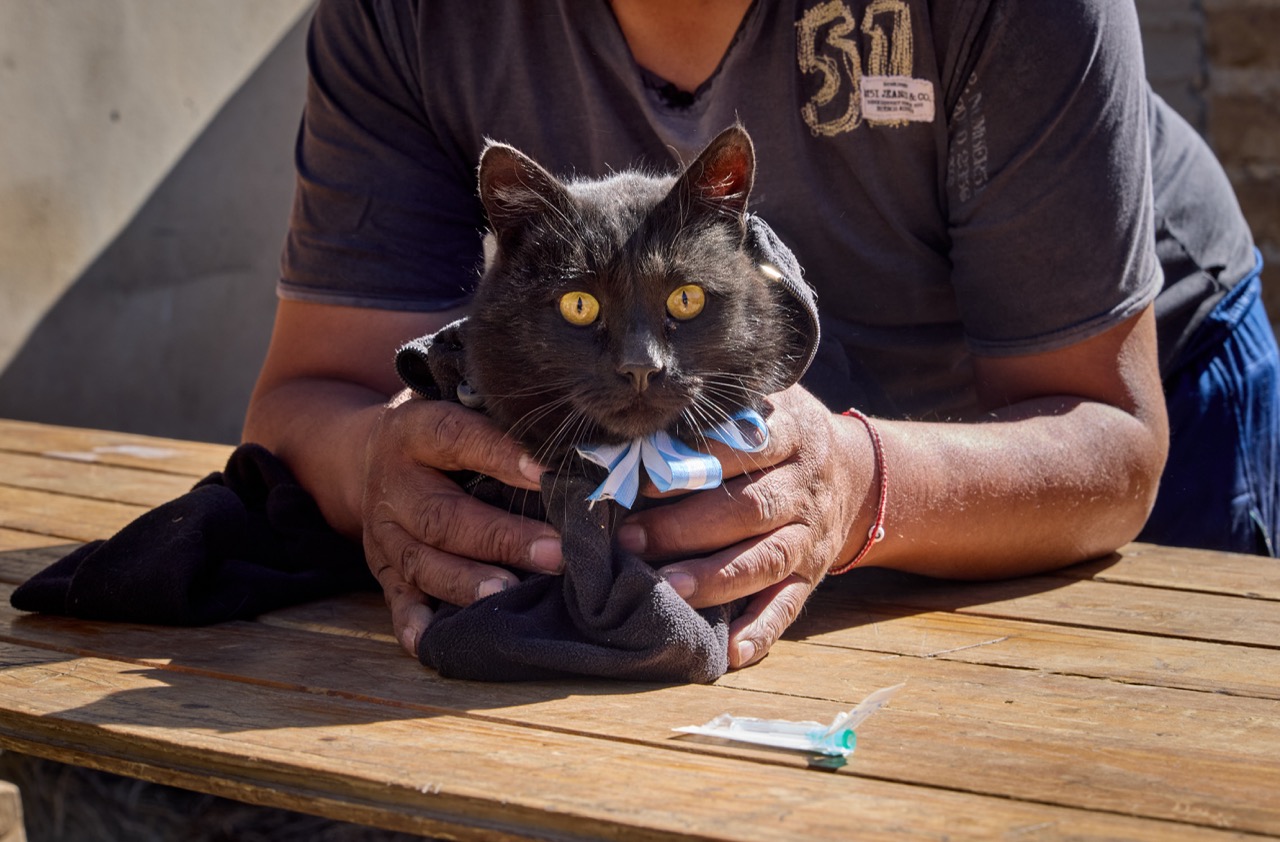
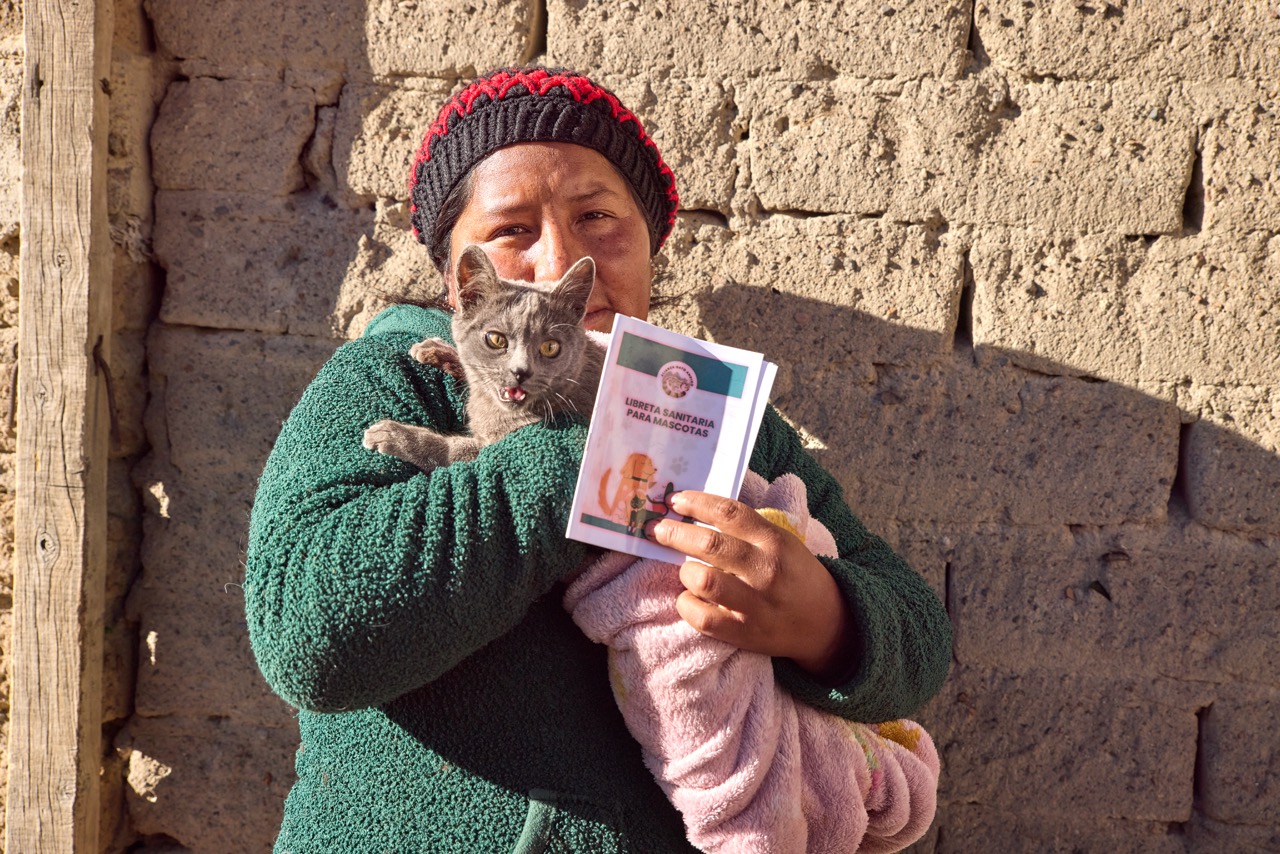
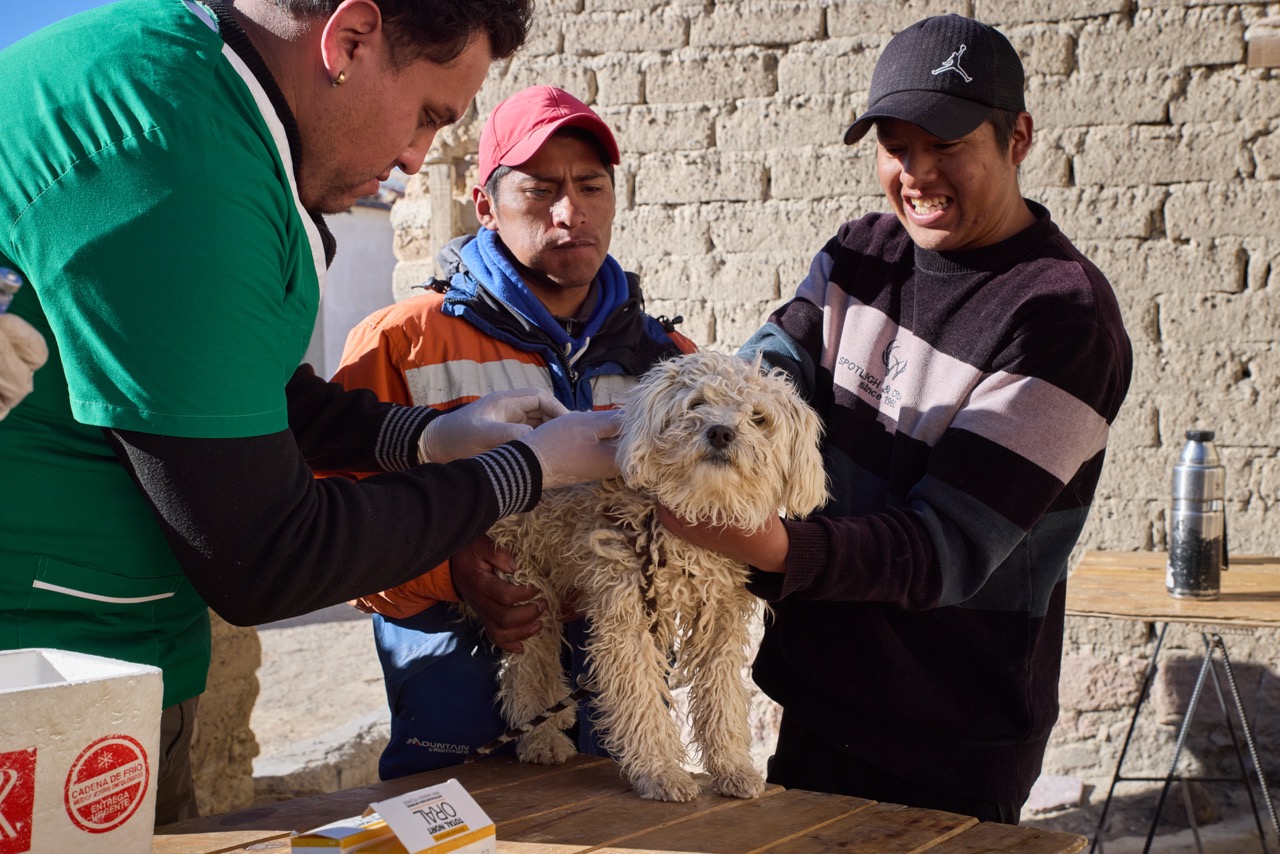
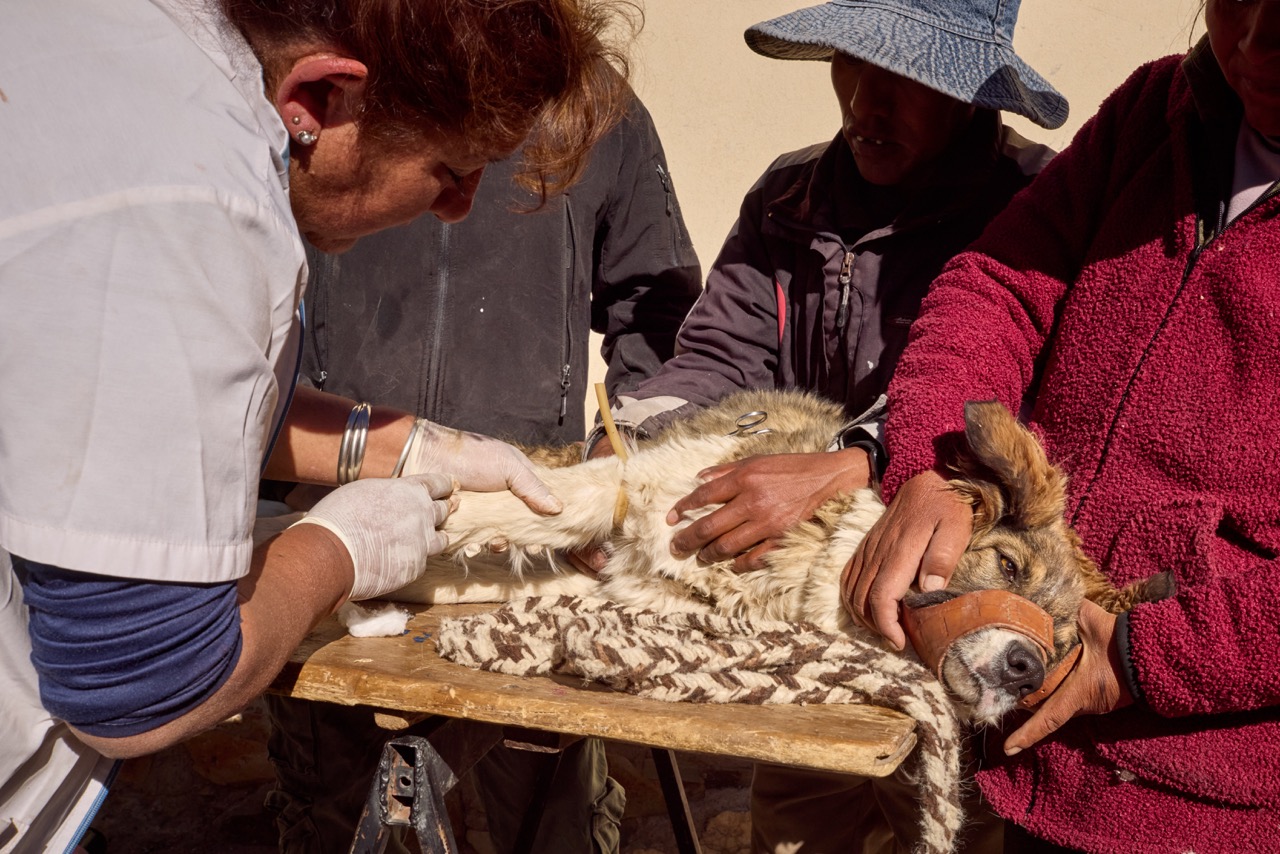
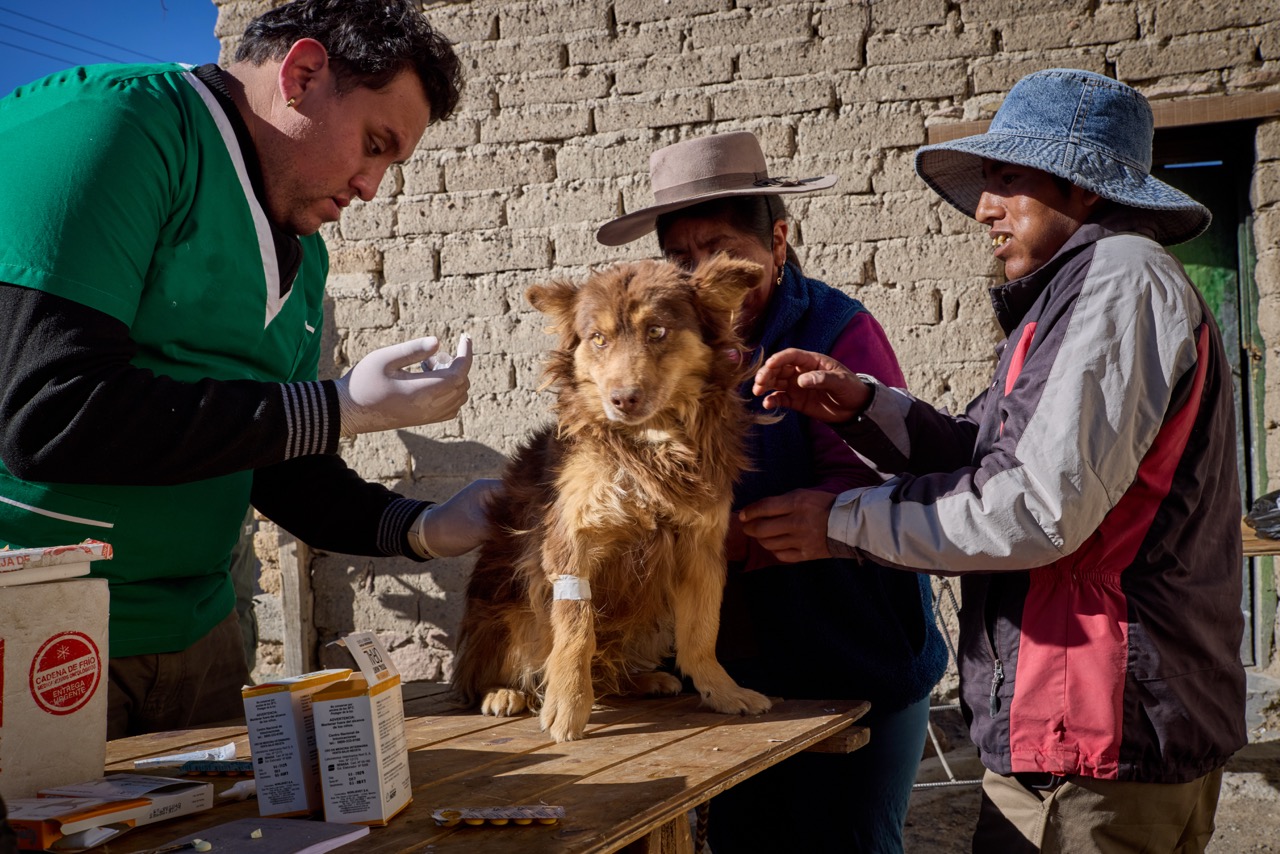
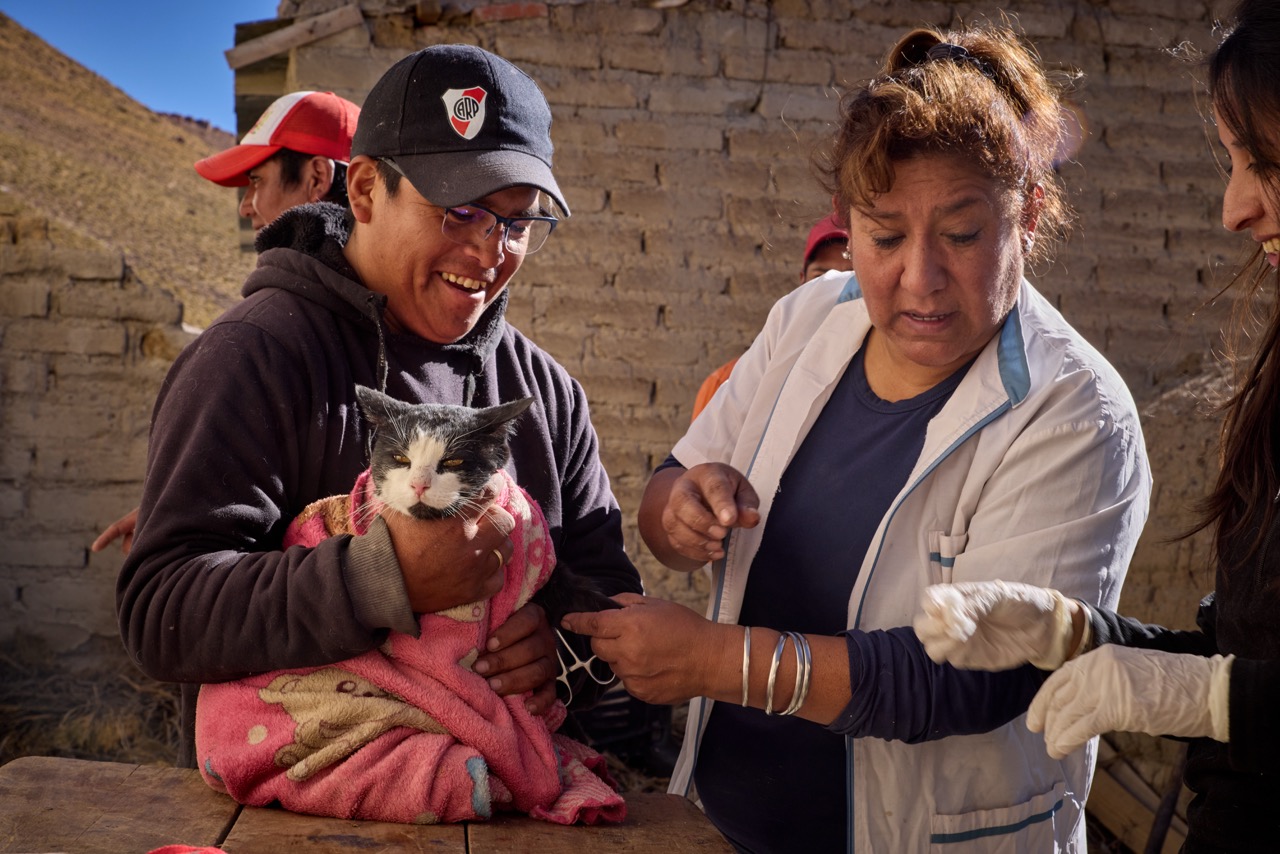
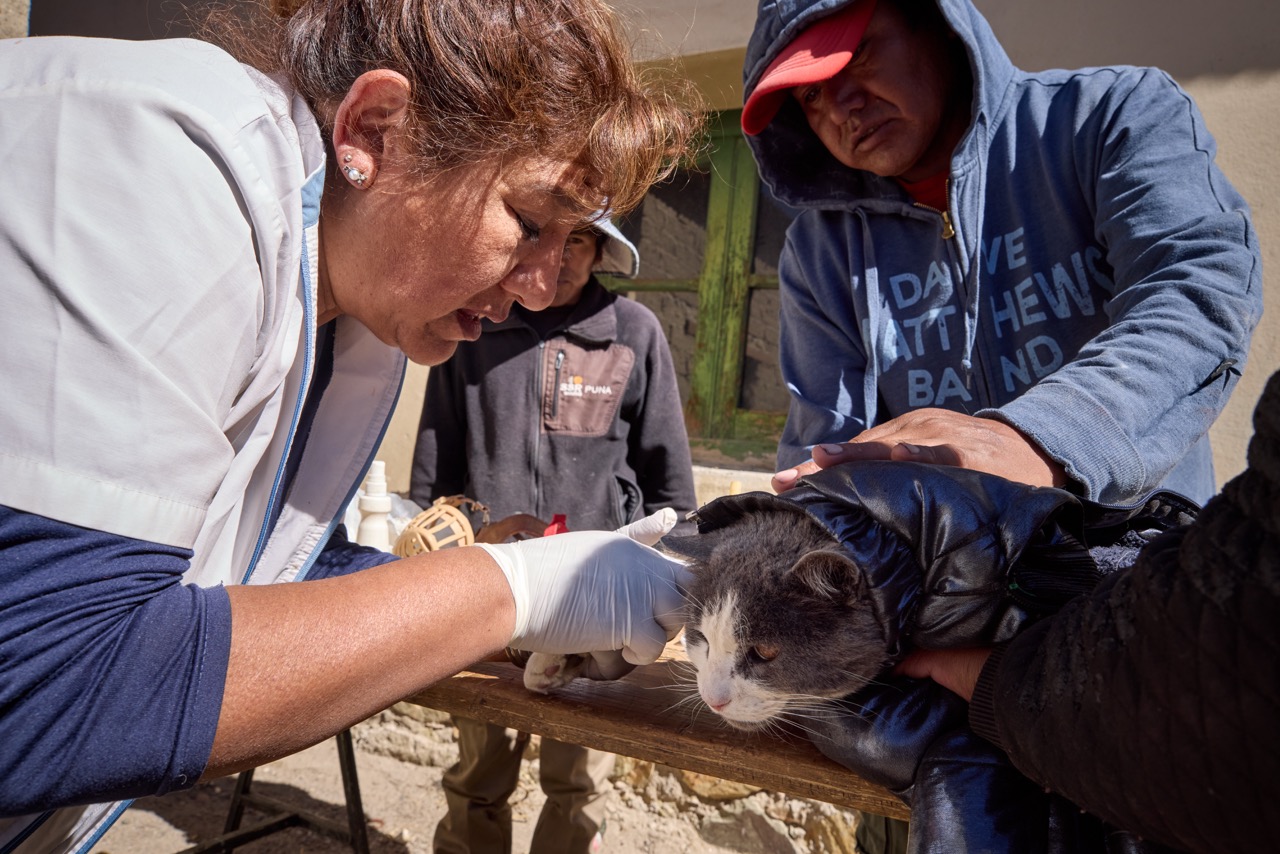
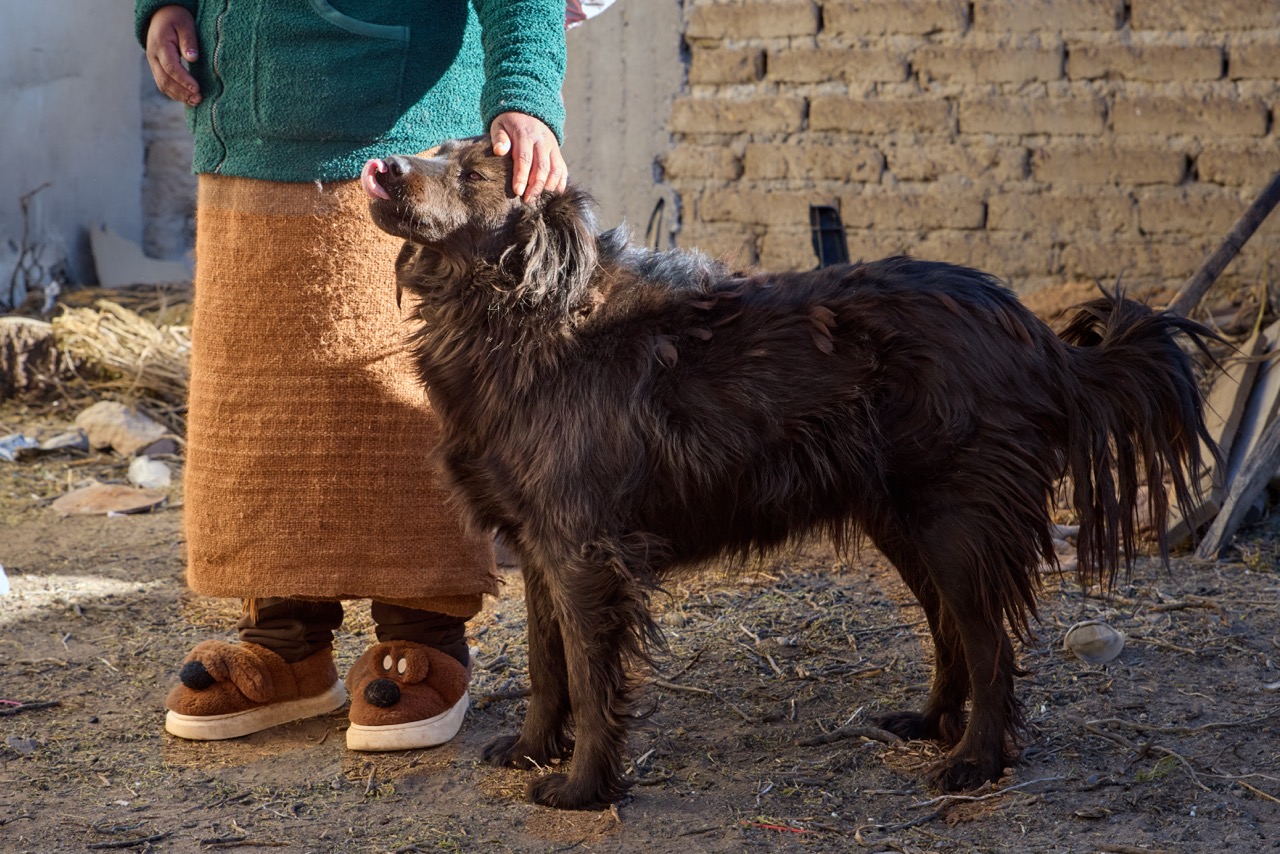
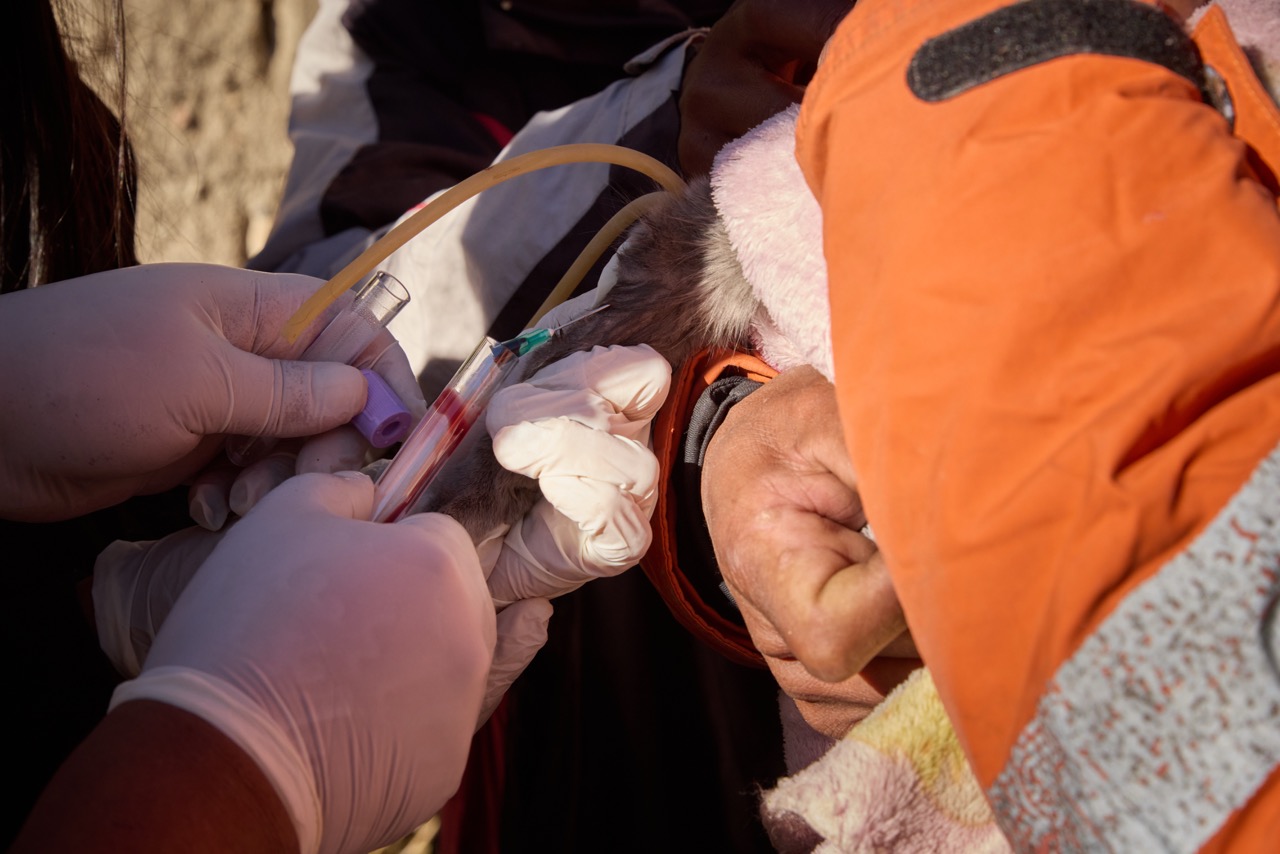
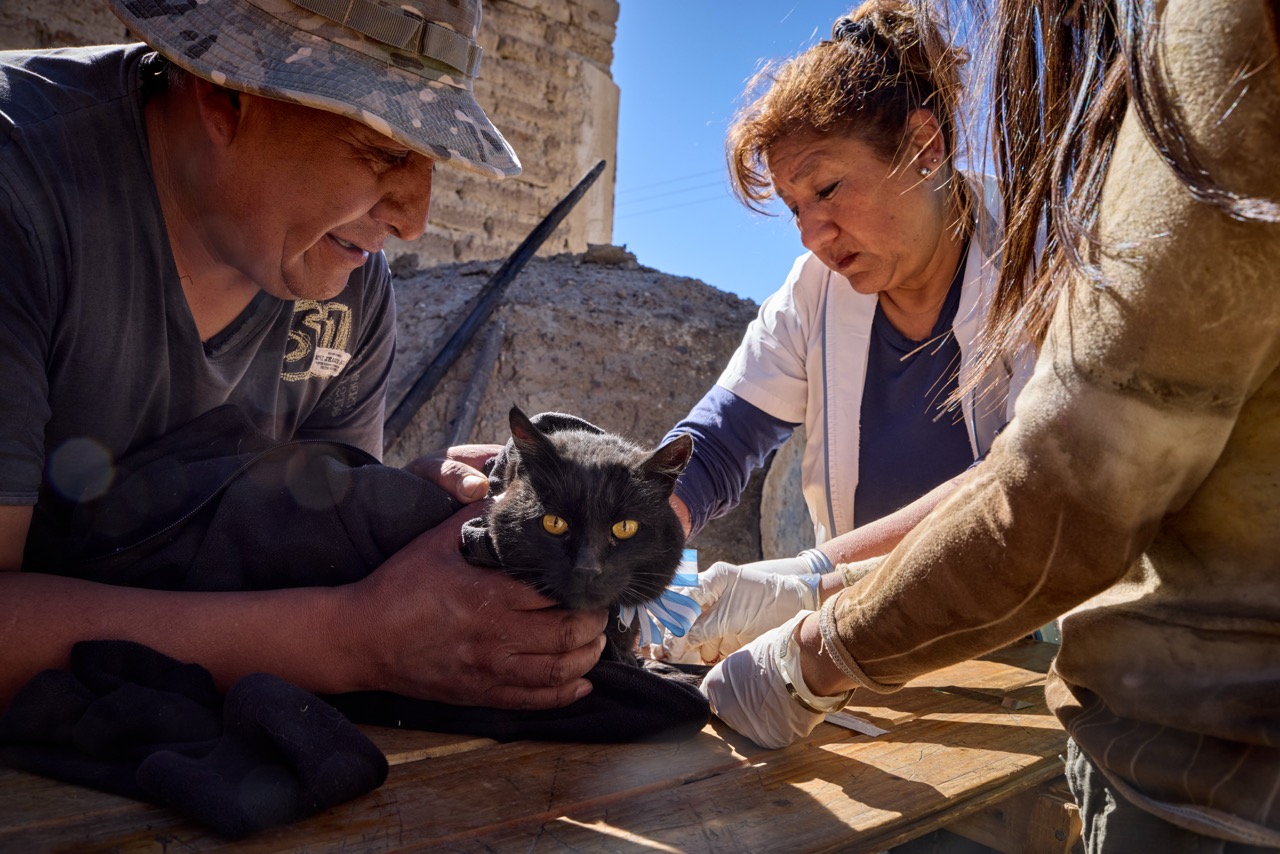
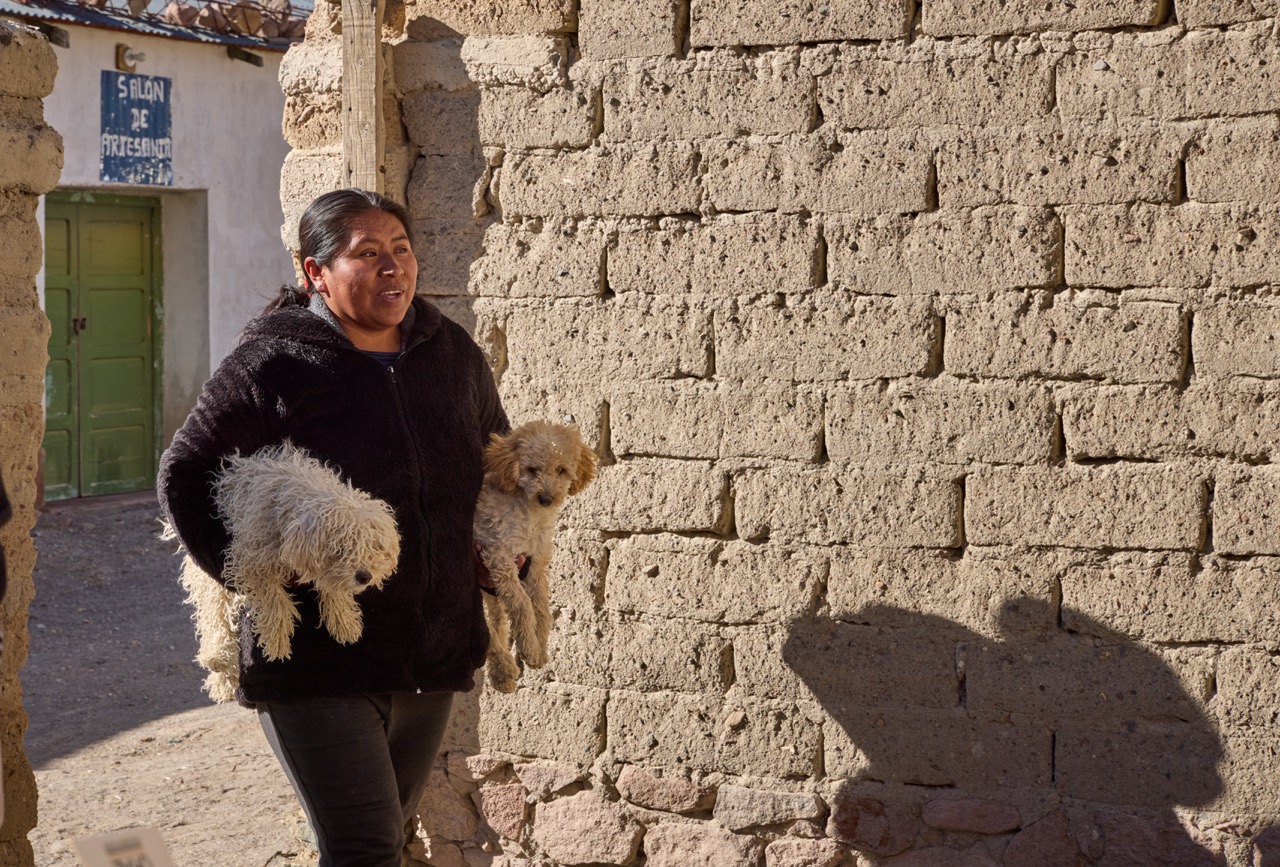
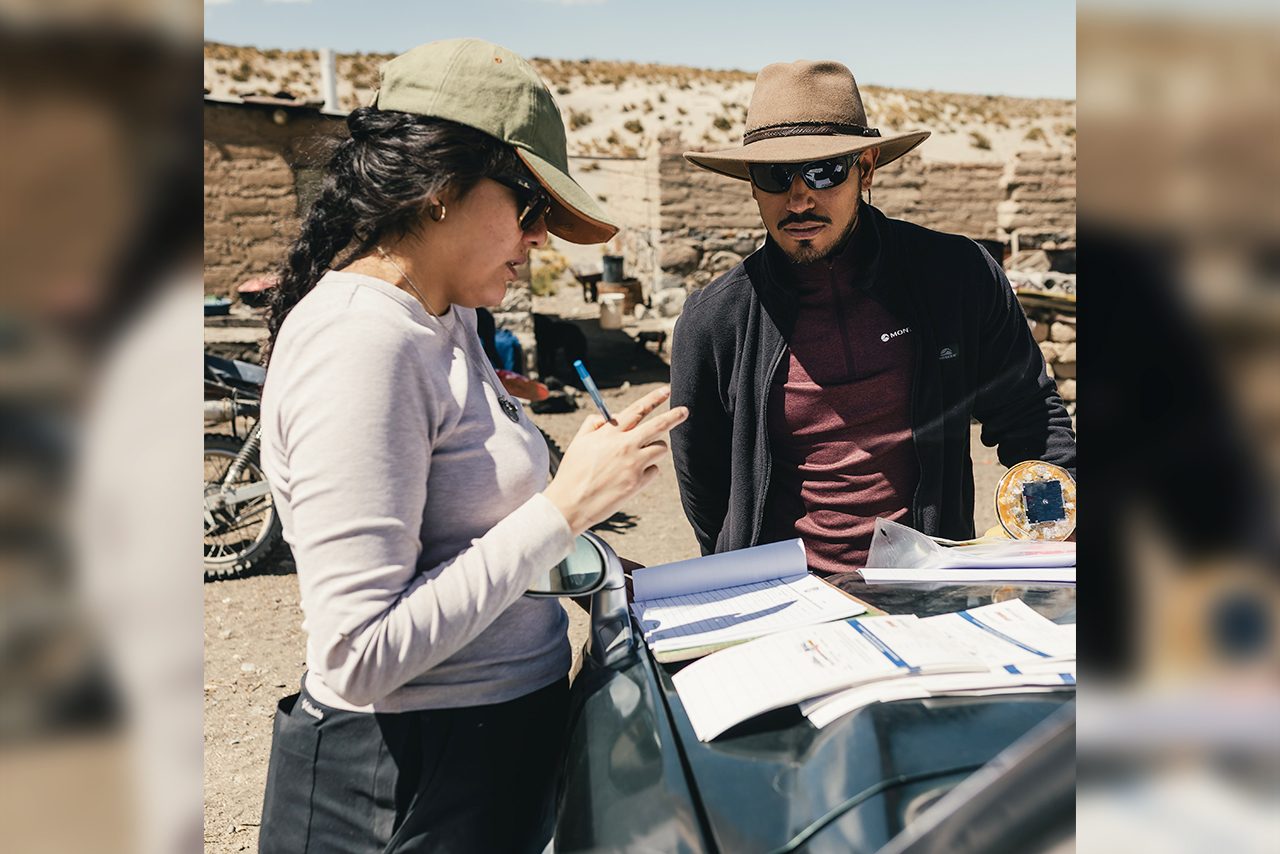
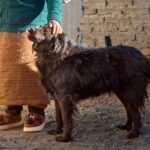
Through the Pawsitive Actions program, AGA worked with dogs and cats in participating communities. Over the year, 277 vaccine doses, 232 deworming treatments, and 31 sterilizations helped reduce health-related risks in places where domestic animals often roam freely and come into contact with wildlife.
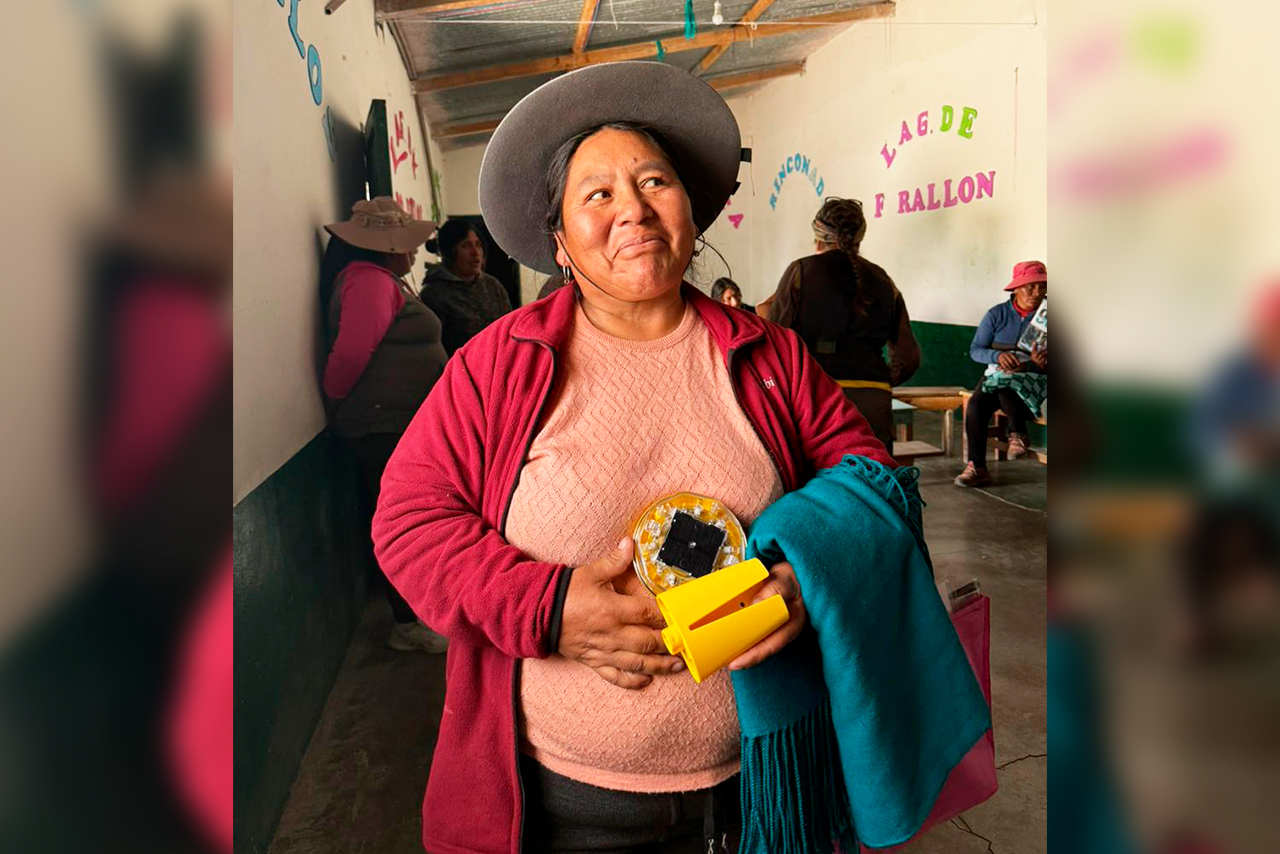
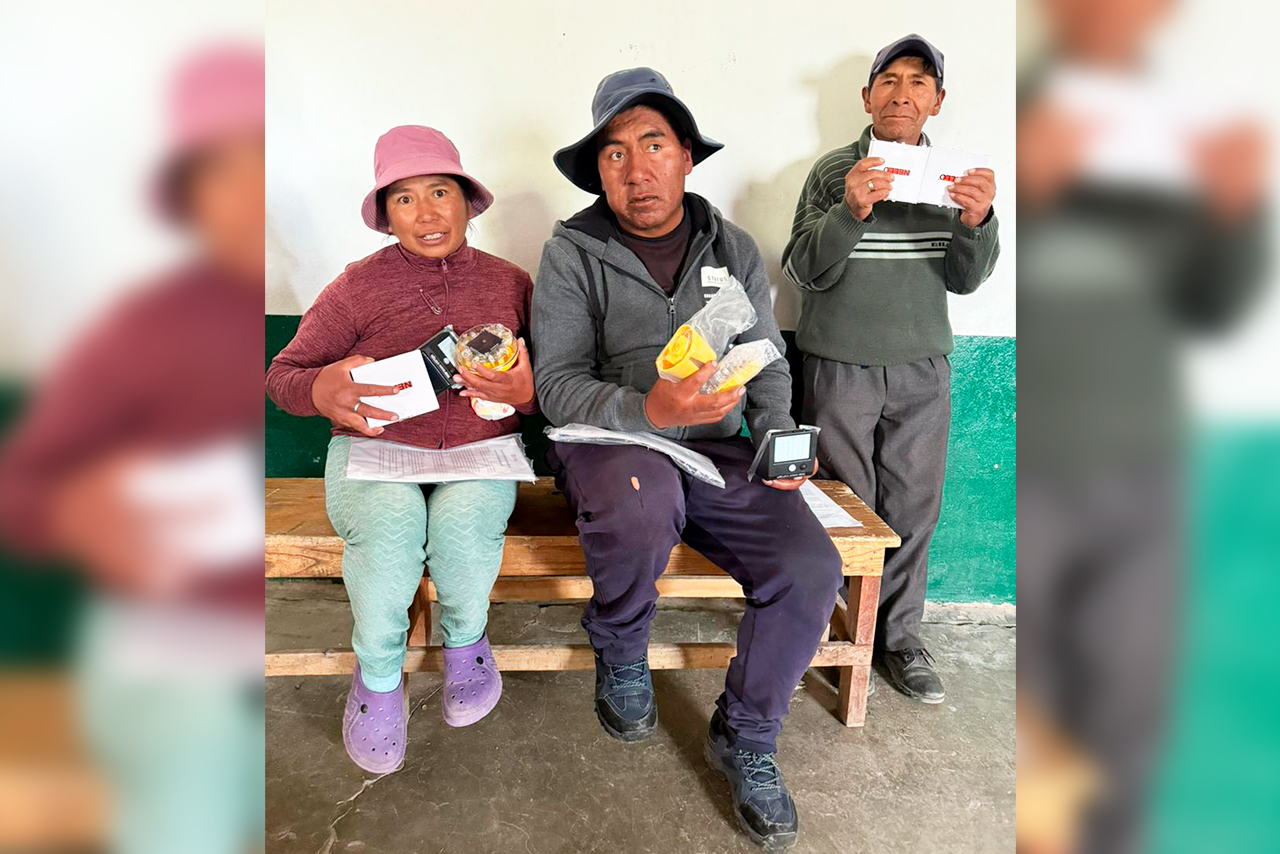
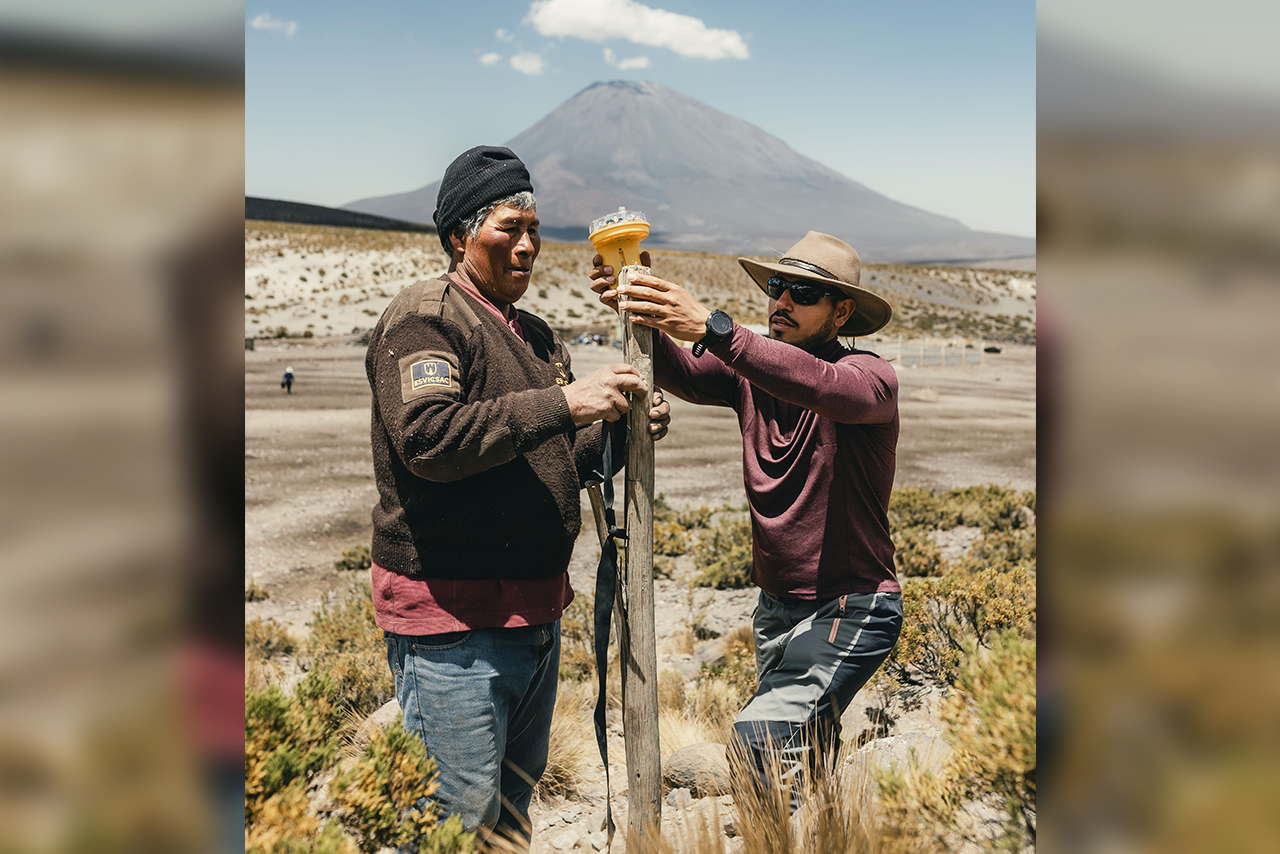
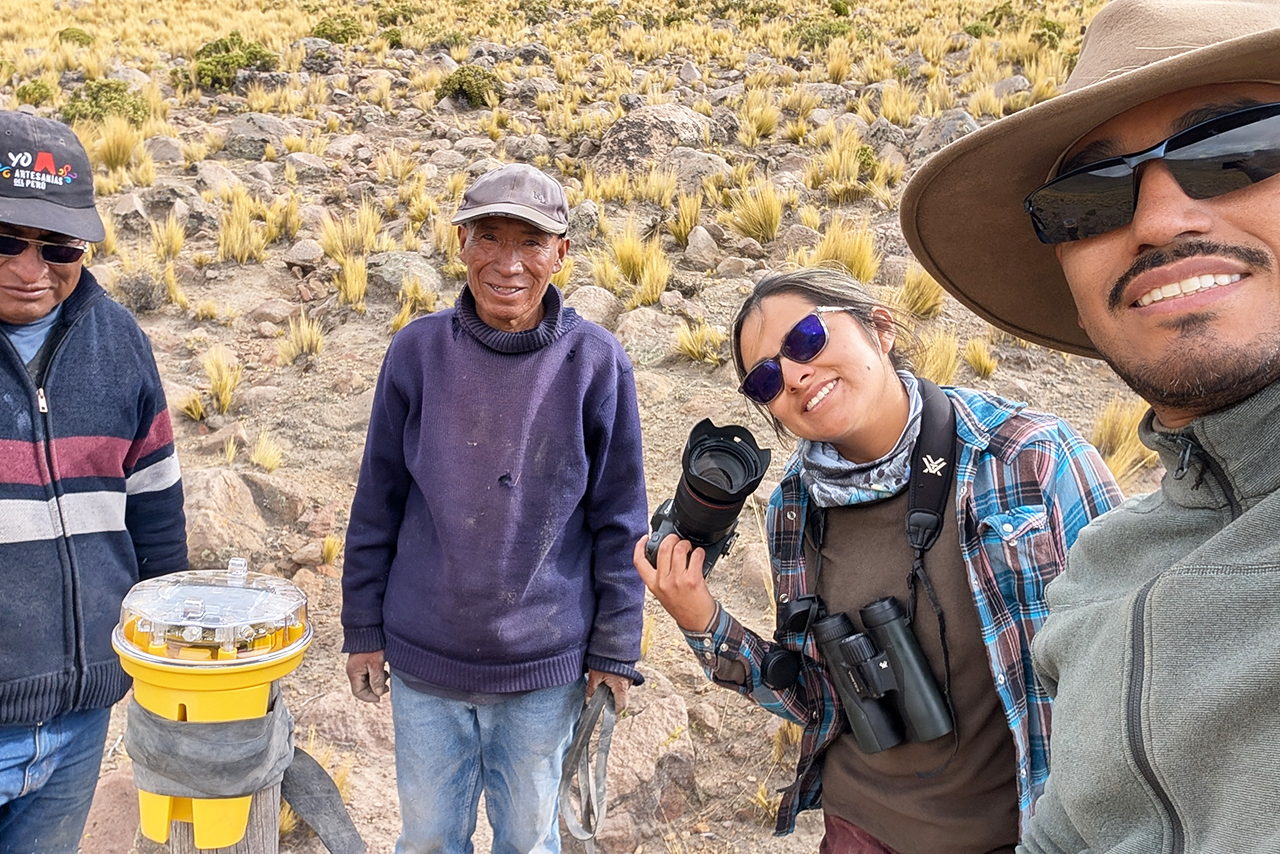
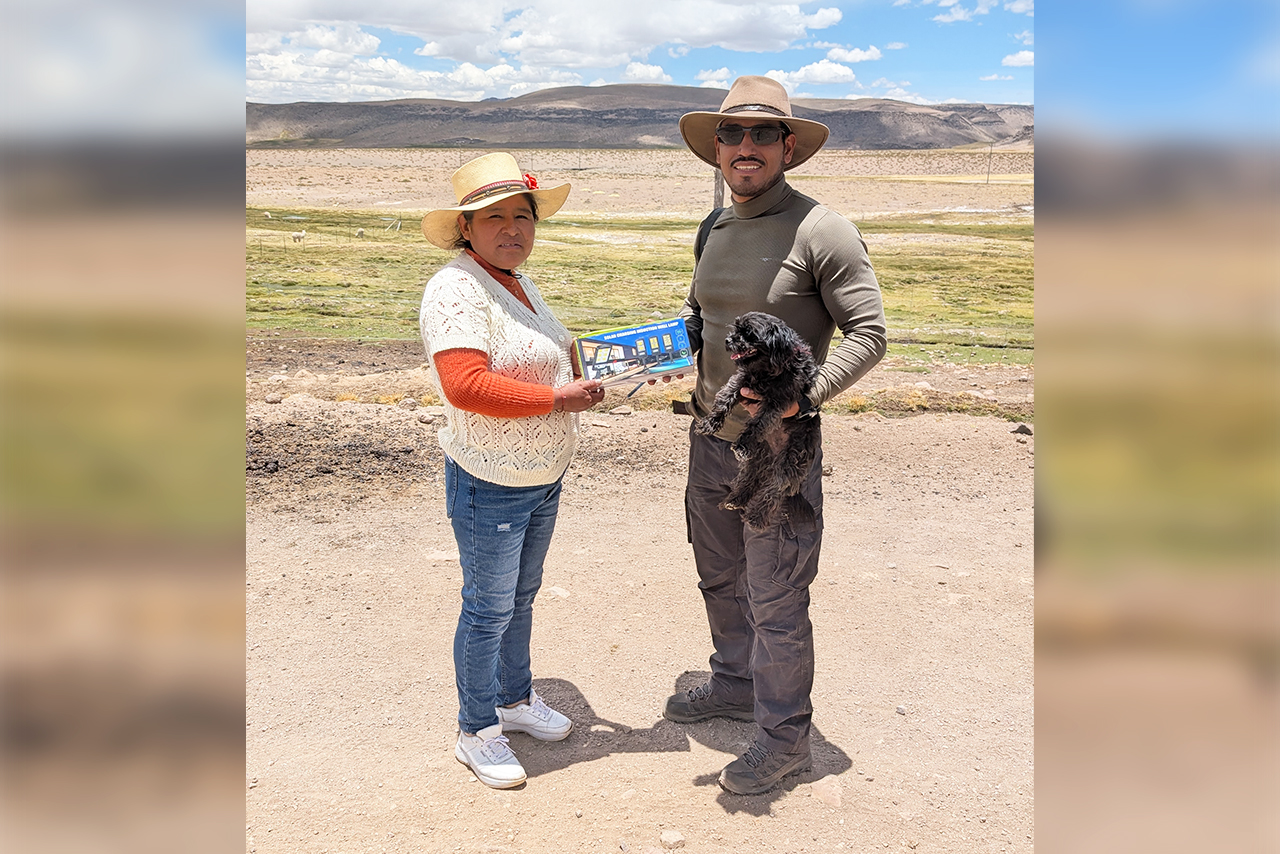
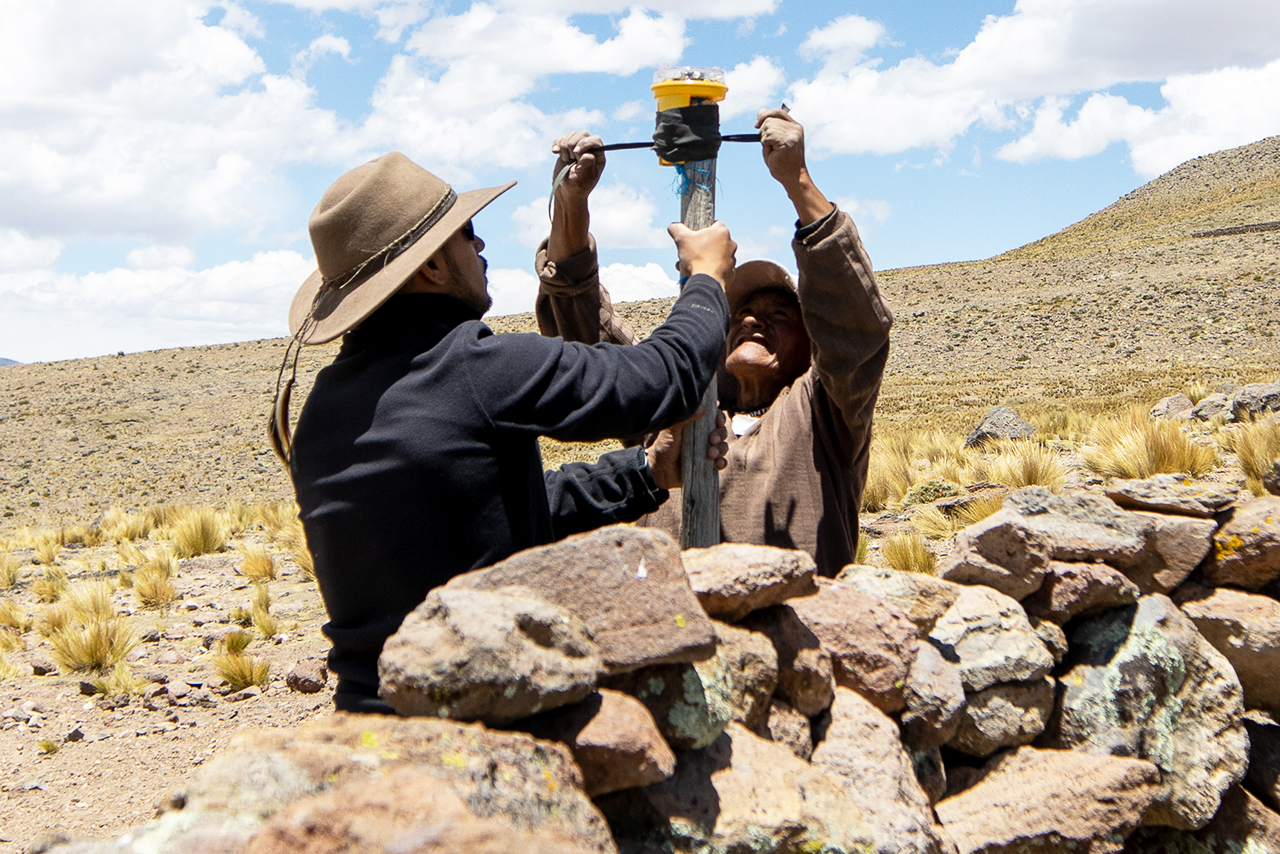
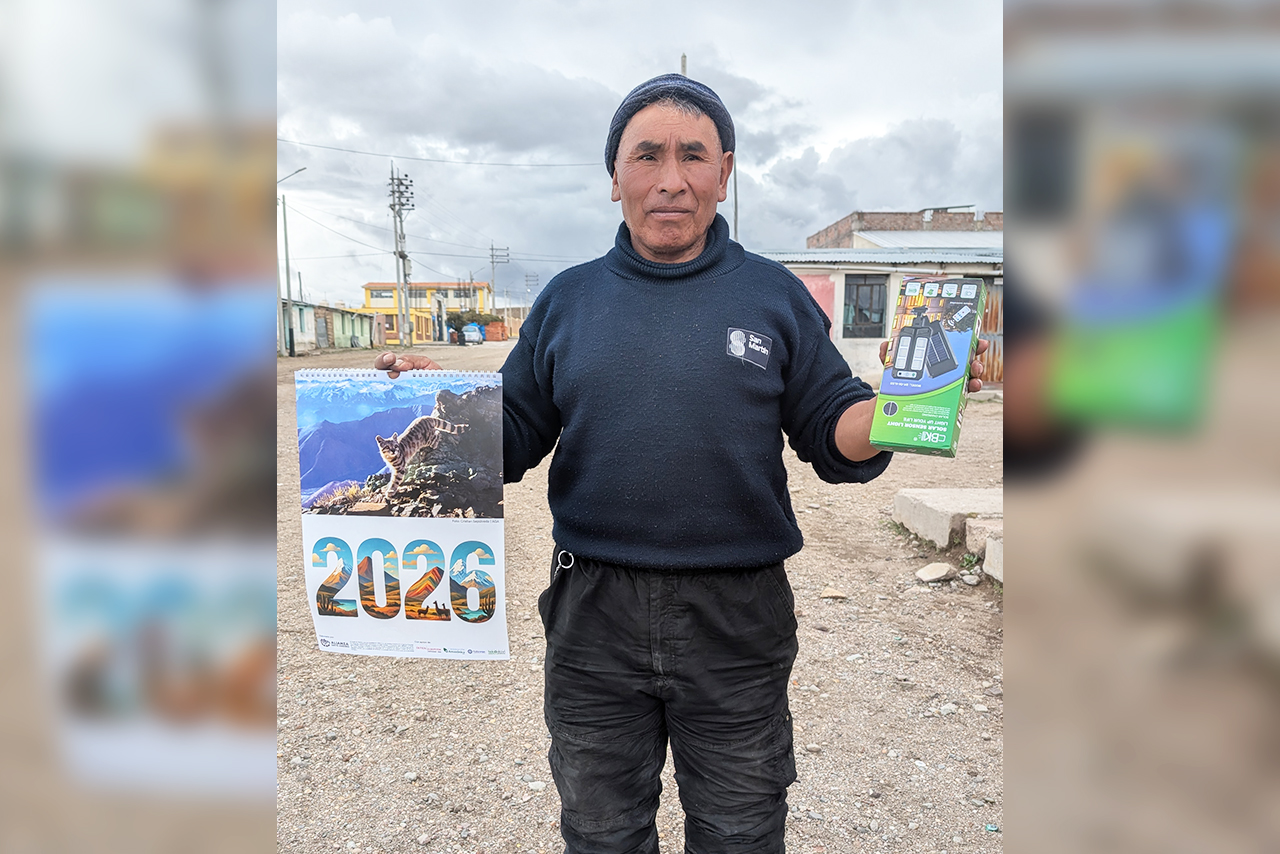
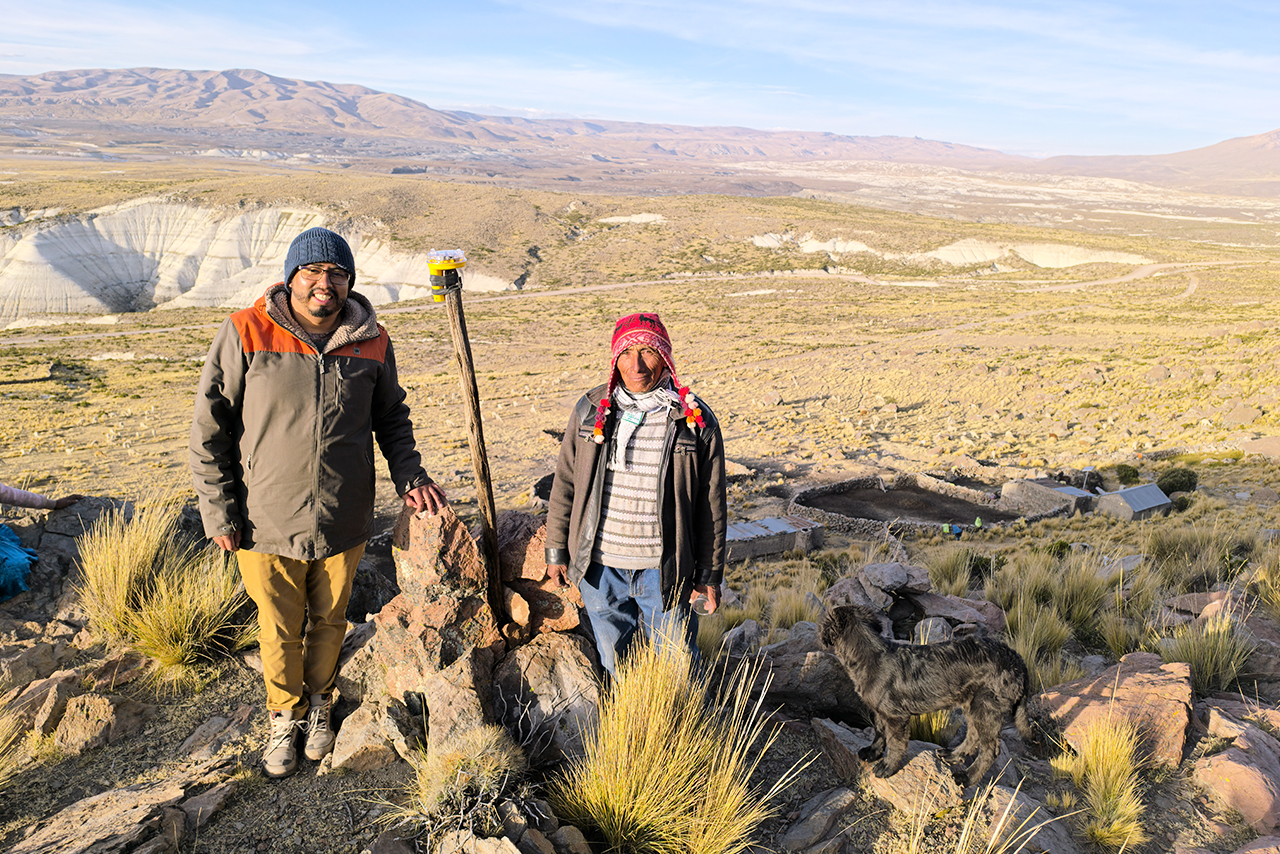
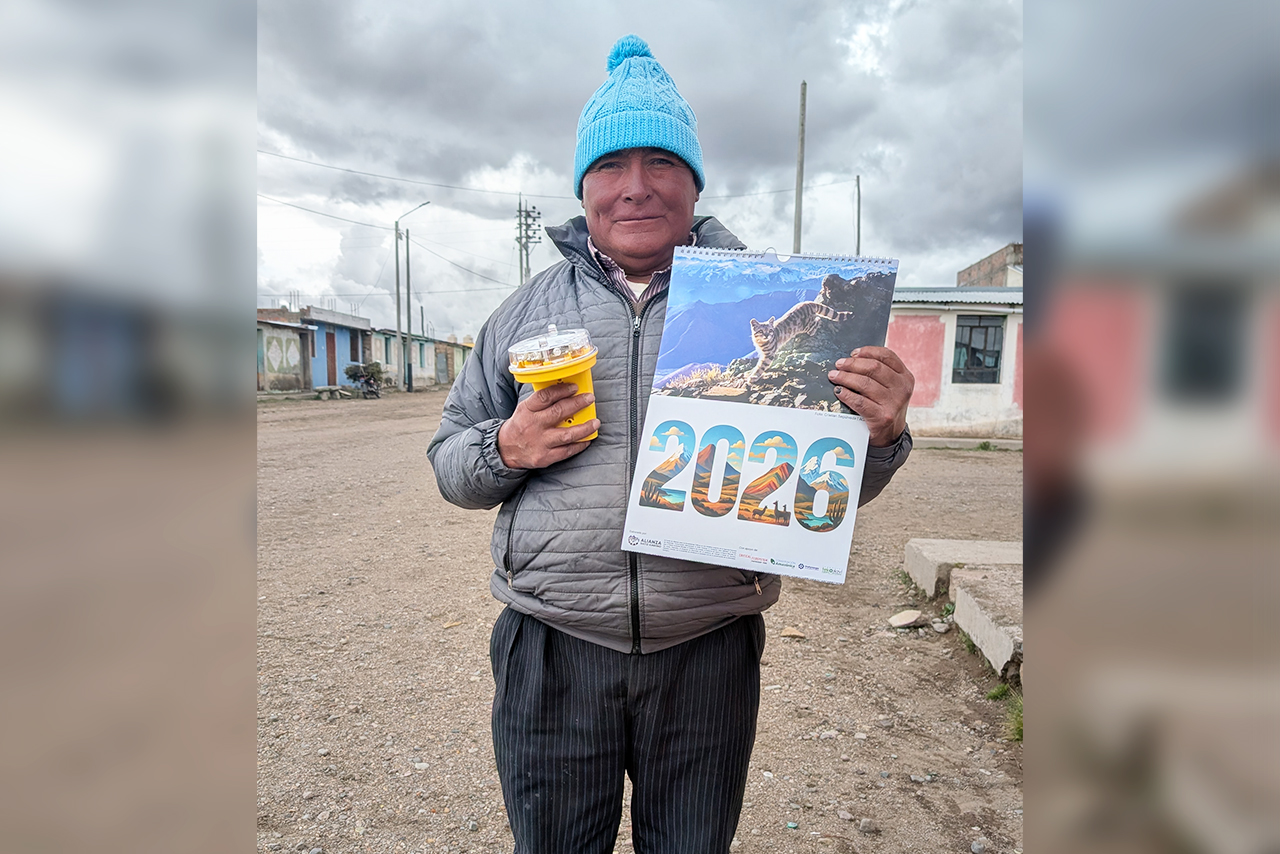
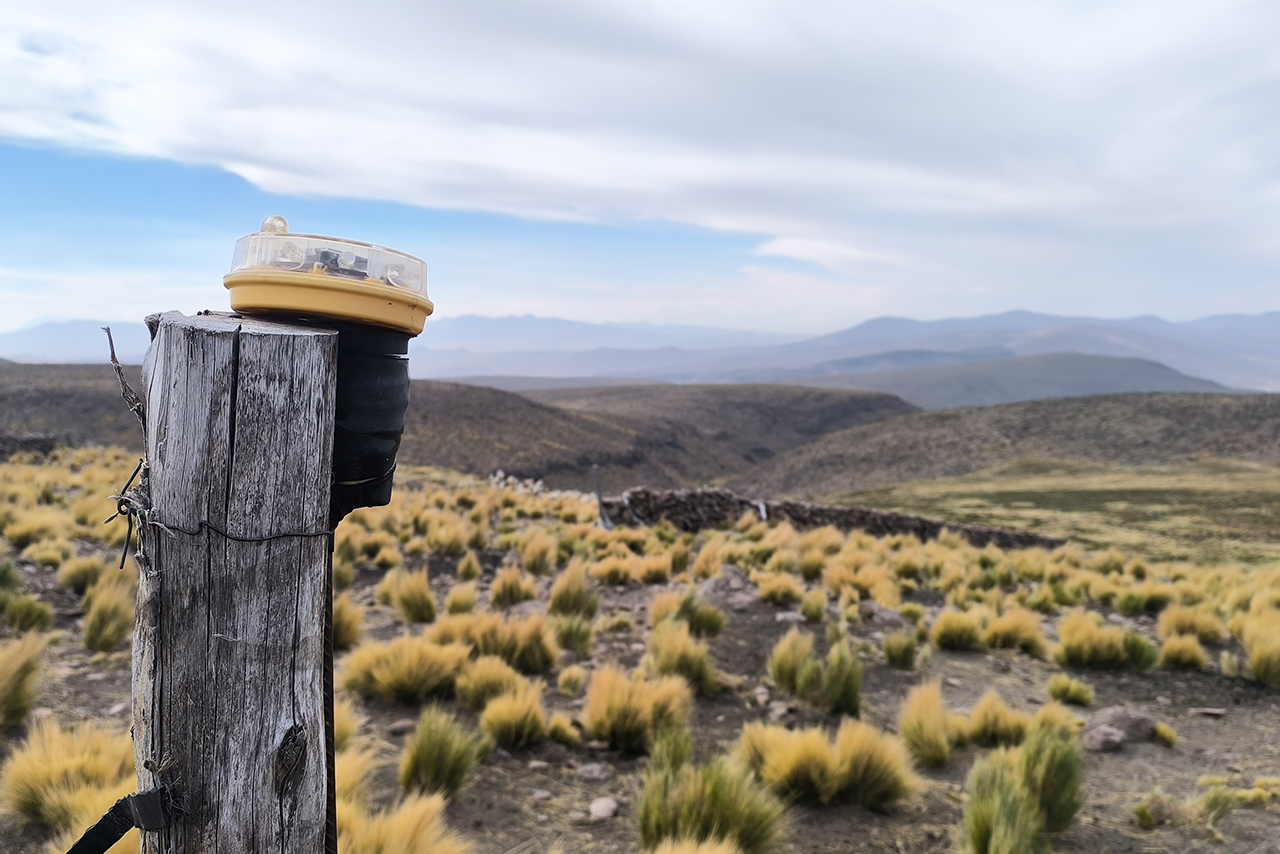
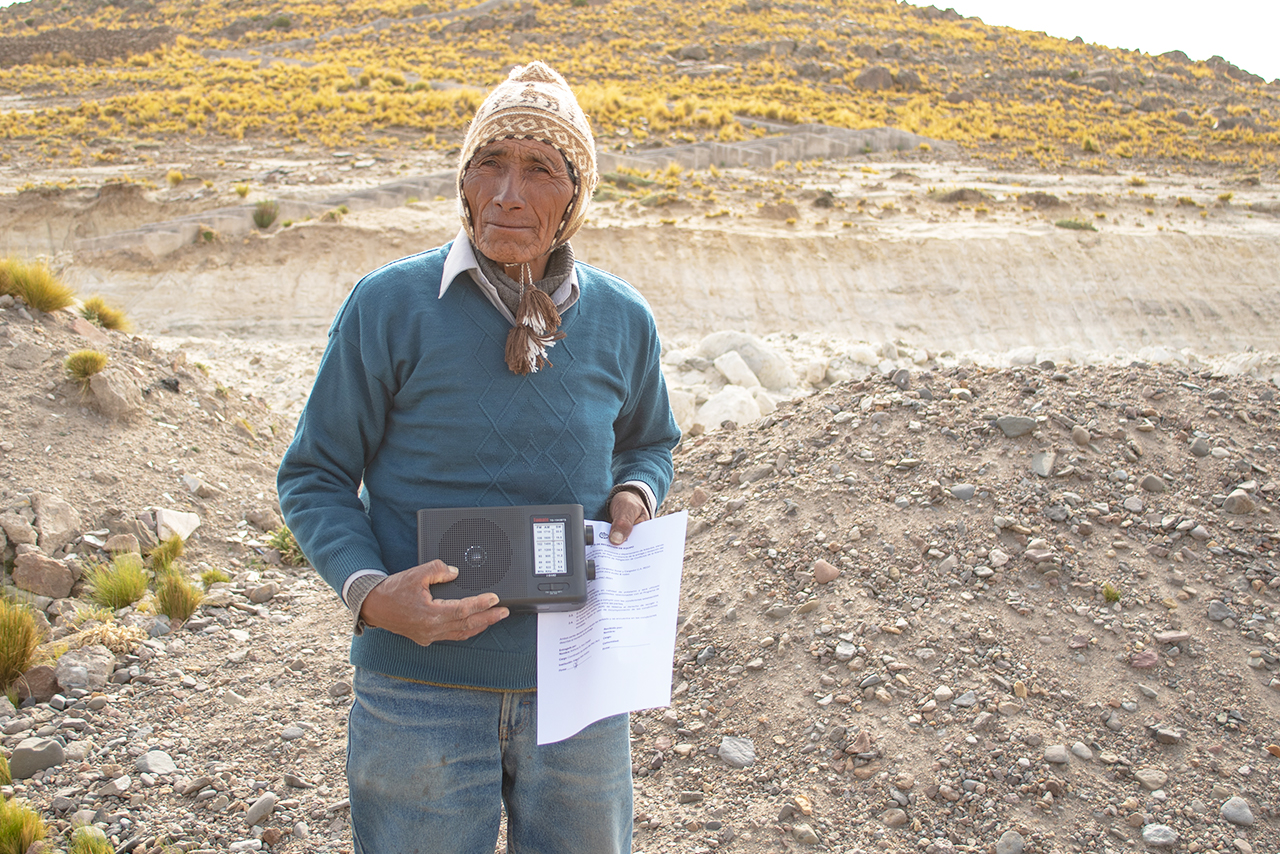
At the same time, conflict mitigation focused on reducing livestock losses caused by other wild carnivores, especially pumas and foxes. Although the Andean cat does not prey on livestock, these conflicts can trigger indiscriminate responses that also put it at risk. To help prevent that, non-lethal deterrent measures were implemented with 9 community members in Argentina and 22 in Peru, including Foxlights, solar-powered motion-sensor lights, adapted reflective devices, and a solar-powered radio. With the new materials delivered during this period, together with those from previous years that remain in use, 55 prevention tools are currently helping protect livestock and strengthen coexistence across these landscapes.
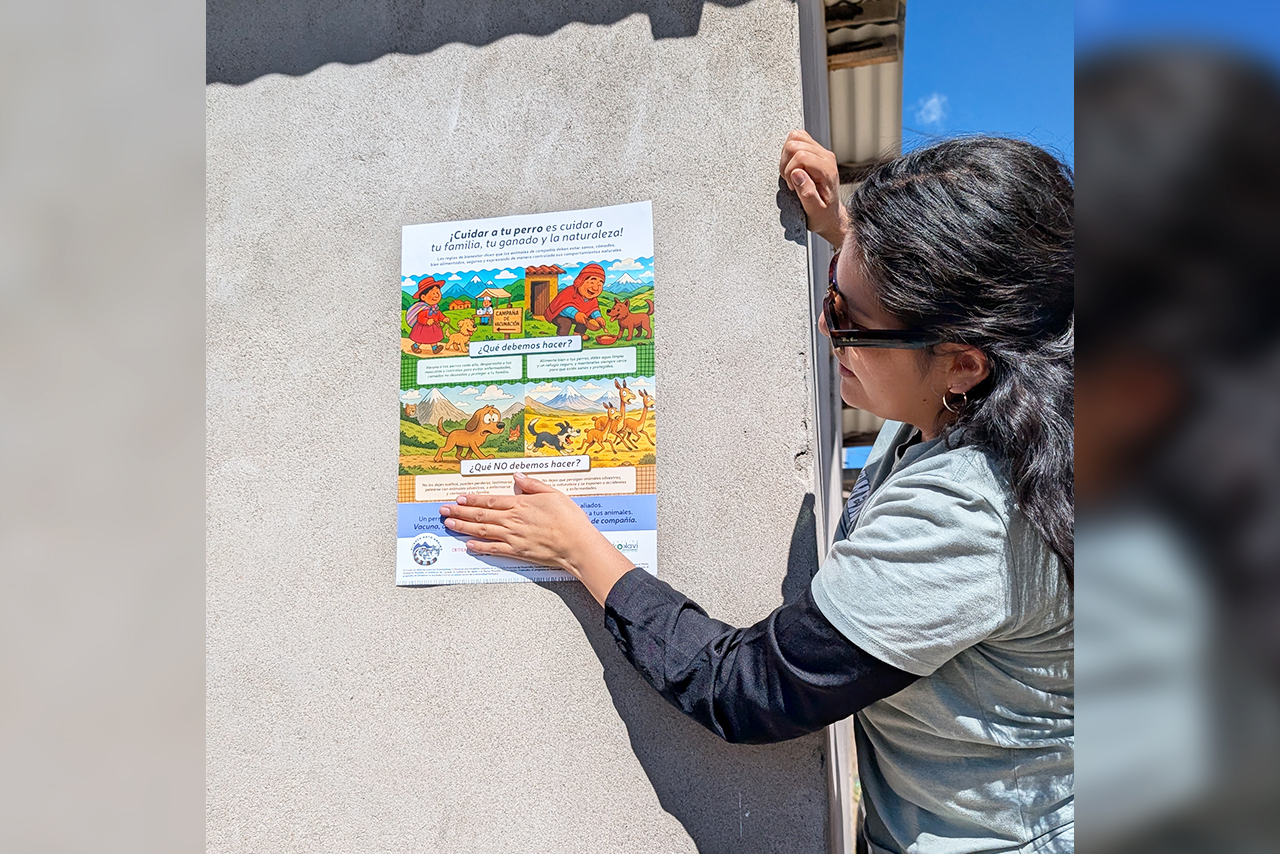
But the heart of this process was not only the equipment itself. It was also the commitments built with communities. Everyone who received conflict mitigation measures signed conservation agreements that included concrete commitments, such as not killing small wild felines, avoiding poisons, and prioritizing non-lethal responses to conflicts with other carnivores.
In the puna, conserving the Andean cat also means reducing indirect risks and sustaining coexistence over time. When conservation is approached from multiple fronts at once, it not only protects a species more effectively. It also helps strengthen the conditions that make shared life possible in high-Andean ecosystems.
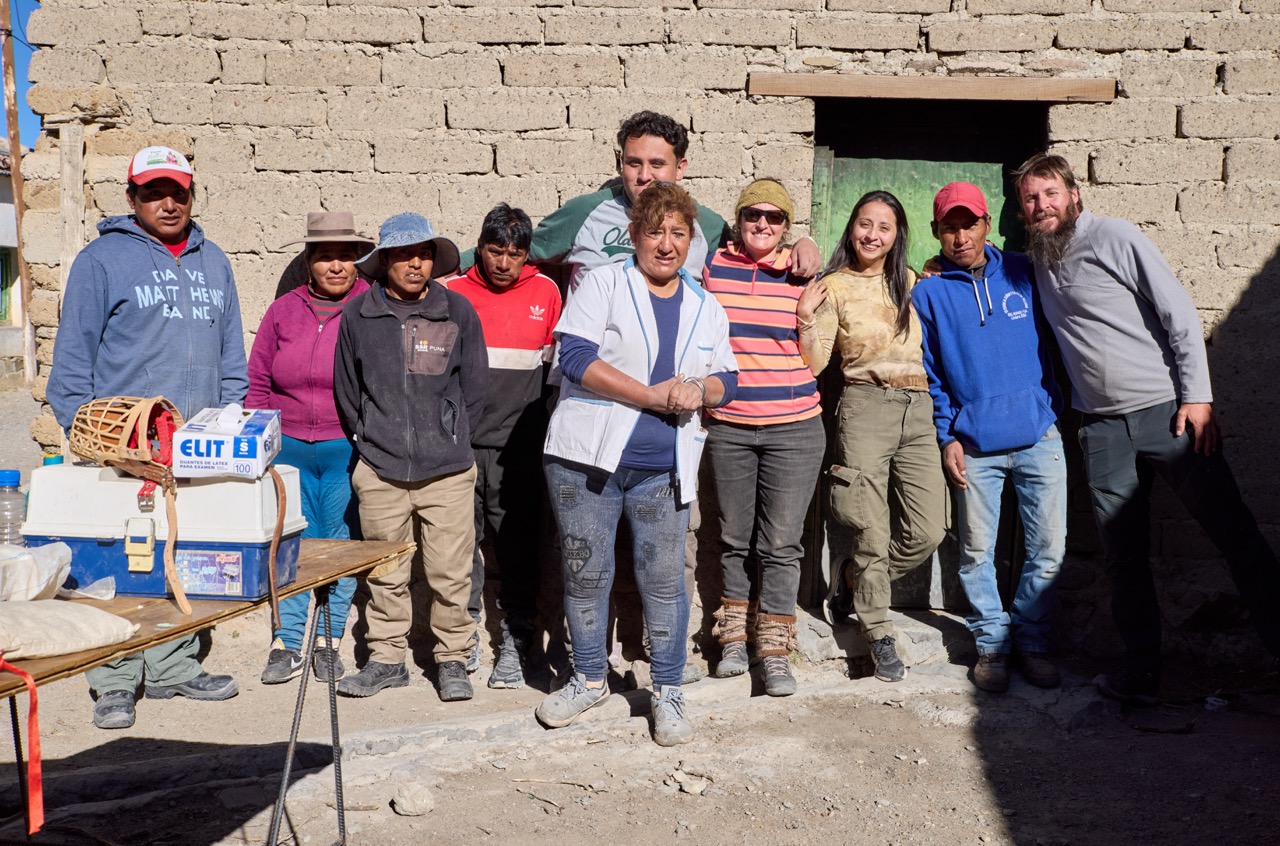
This effort is part of the sustained work led by the Andean Cat Alliance across different landscapes of the Andes, with the support of Wildlife Conservation Network, a long-standing partner of the organization. In Argentina, these actions also benefited from the valuable commitment of veterinarians Claudia Ancasi and Florencia Rivera. In Peru, special recognition is due to veterinarian Ana Lucía Zevallos Segovia and her team at ZEVET Veterinary Clinic for their contribution to the animal health work carried out in the field.
In Peru, part of these actions was implemented as part of the project “Conservation of the Andean Cat in Bolivia and Peru,” led by the Andean Cat Alliance in collaboration with Fundación Teko Kavi and funded by the Critical Ecosystem Partnership Fund (CEPF). CEPF is a joint initiative of the French Development Agency, Conservation International, the European Union, the Hans Wilsdorf Foundation, the Global Environment Facility, the Government of Canada, the Government of Japan, and the World Bank. In the Tropical Andes, the program is funded by the Government of Canada through Global Affairs Canada, with the aim of strengthening civil society in biodiversity conservation.